Trump Claims Full US Control of Strait of Hormuz as Iran Sets Conditions to Reopen Waterway
Bastillepost · 1 SOURCESabout 2 hours ago2 MIN
Summary
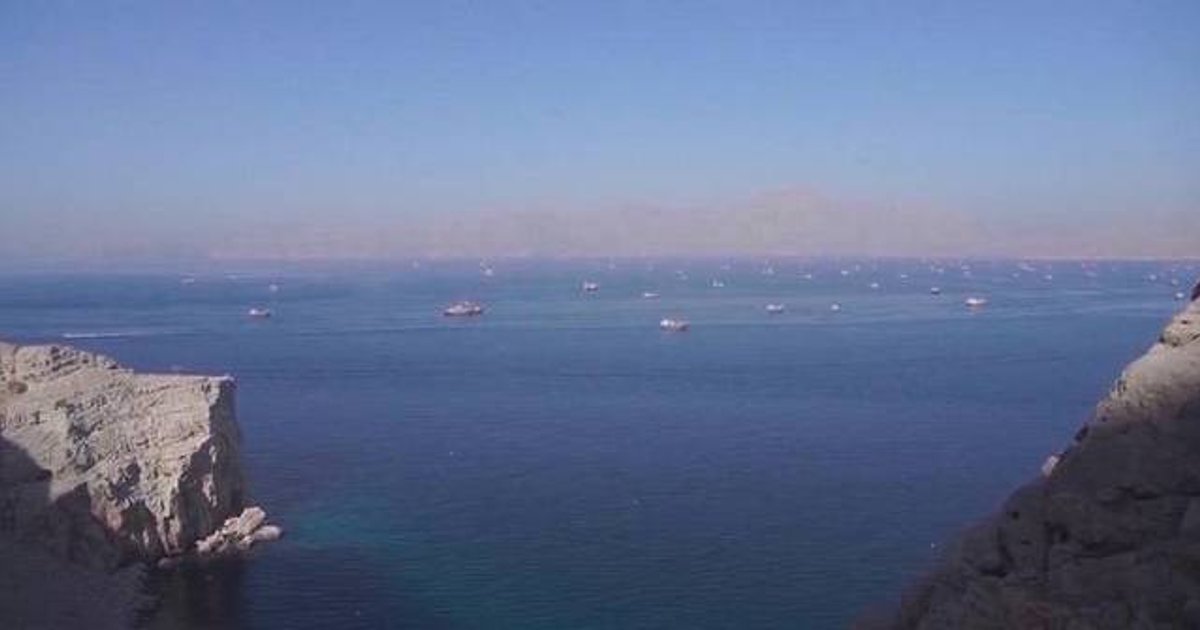
US President Trump announced Monday that American naval forces have achieved complete control over the Strait of Hormuz, describing the blockade as a "wall of steel" while acknowledging the situation remains complicated by Iranian naval threats. Iran has responded with five conditions for reopening the strategic waterway, which handles roughly one-fifth of global oil shipments. The standoff has already disrupted maritime traffic, with commercial vessel passages declining sharply over the weekend.
Key Points
- Trump, speaking in the Oval Office, declared that "the only thing controlling the Strait of Hormuz right now is the US Navy," claiming the waterway is "actually open now" but subject to American discretion
- The Pentagon has deployed more than 20 US naval vessels to the Middle East in support of the blockade, according to US Central Command statements released Sunday
- US Central Command reported forcing 55 commercial ships to alter their routes, paralyzing two additional vessels, and boarding and inspecting two more
- Shipping analytics firm Kpler documented a dramatic decline in confirmed strait passages from 15 vessels on Friday to just 6 by Sunday
- Iranian Supreme National Security Council Secretary Mohammad Baqer Zolqadir stated the strait will remain closed until Washington "corrects its behavior" and meets five specific demands
Why It Matters
The Strait of Hormuz represents a critical global energy chokepoint, with approximately 20 percent of the world's oil flowing through its waters. Sustained disruption could trigger significant volatility in crude oil markets, affecting prices at the pump and across the broader economy . For Hong Kong, which relies heavily on imported energy and maintains extensive trade networks, any prolonged escalation could translate into higher fuel costs and increased expenses for goods dependent on petroleum-based supply chains.
The Strait of Hormuz represents a critical global energy chokepoint, with approximately 20 percent of the world's oil flowing through its waters. Sustained disruption could trigger significant volatility in crude oil markets, affecting prices at the pump and across the broader economy . For Hong Kong, which relies heavily on imported energy and maintains extensive trade networks, any prolonged escalation could translate into higher fuel costs and increased expenses for goods dependent on petroleum-based supply chains.