DiDi Plans Tseung Kwan O Autonomous Vehicle Tests, Eyes Integration with Ride-Hailing Platform
HK01 · 2 SOURCESabout 2 hours ago5 MIN
Summary
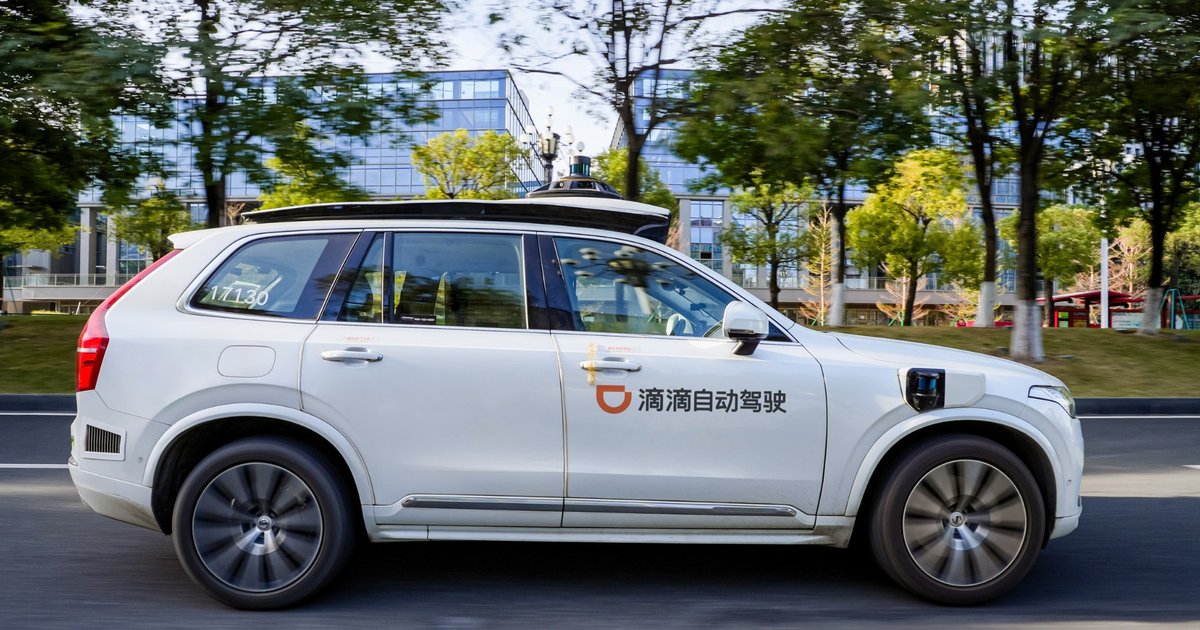
DiDi Chuxing (滴滴出行) announced plans to apply for permits to test autonomous vehicles in Tseung Kwan O within this year, according to comments made by Smart Transportation Alliance Chairman Zhang Xinyu on an RTHK programme on September 7. Zhang described the Tseung Kwan O Industrial Estate as a suitable testing ground due to its wide roads, manageable traffic flow, and relatively simple transportation environment. He expressed optimism that within one year, autonomous passenger services could begin operating at the pilot location, with potential to expand significantly thereafter.
Key Points
- DiDi plans to apply for autonomous vehicle testing permits in Tseung Kwan O in 2026
- Zhang Xinyu considers the Tseung Kwan O Industrial Estate suitable due to wide roads, low traffic volume, and simple traffic environment
- DiDi's advantage lies in its position as a leading ride-hailing platform; integrating autonomous technology could create a sustainable business model
- The primary goal for 2026 is to complete "unmanned testing" with no driver or safety officer present in the vehicle
- If unmanned testing succeeds, services could expand from single routes to regional network operations
- Safety remains the government's primary consideration; autonomous vehicles must accumulate extensive safety hours before reaching busy areas
- Beijing conducts area-based autonomous testing while Hong Kong currently operates at single-route testing stage
- Regulatory mechanisms covering safety testing, insurance, liability, and data security are gradually being established
Why It Matters
Hong Kong's autonomous vehicle industry reached a critical juncture with the 2024 establishment of the primary legal framework, followed by exploration in 2025, making 2026 a pivotal acceleration year. The potential integration of autonomous driving technology with established ride-hailing platforms represents a transformative opportunity to reshape urban transportation in Hong Kong, with driverless ride-hailing services potentially materialising within a year.
Hong Kong's autonomous vehicle industry reached a critical juncture with the 2024 establishment of the primary legal framework, followed by exploration in 2025, making 2026 a pivotal acceleration year. The potential integration of autonomous driving technology with established ride-hailing platforms represents a transformative opportunity to reshape urban transportation in Hong Kong, with driverless ride-hailing services potentially materialising within a year.