Yellow Work Heat Warning Reissued After Friday Cancellation
On.cc · 10 SOURCESabout 5 hours ago2 MIN
Summary
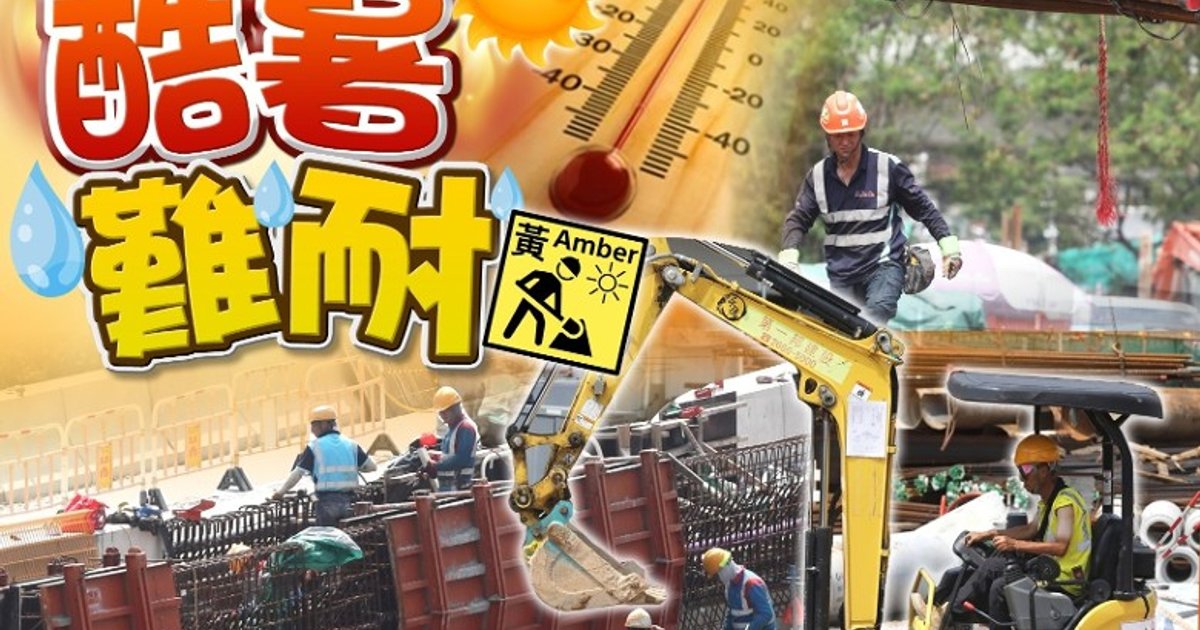
Hong Kong’s Labour Department reissued the Yellow Work Heat Warning at 9:50am on August 29, saying heat stress in some work environments was fairly high. The previous day’s Yellow warning had been issued at 11:20am on August 28 and was cancelled at 6:20pm that evening. The alert is being issued under an enhanced warning system that took effect on August 28 and is designed to respond more quickly during extreme heat. Officials and labour and construction representatives say the revised mechanism could increase rest time for workers while having limited overall impact on project operations.
Key Points
- The Labour Department issued a Yellow Work Heat Warning at 9:50am on August 29, citing fairly high heat stress in some workplaces.
- The previous Yellow warning was issued at 11:20am on August 28 and remained in force until the Labour Department cancelled it at 6:20pm.
- The department said outdoor workers and staff in non-air-conditioned indoor workplaces face higher heat pressure and a greater risk of heat stroke.
- Employers are advised to assess heat-stress risks, reschedule work, provide shade, ventilation and cooling equipment, and remind staff to drink water and rest.
- Under the enhanced system launched on August 28, projections suggest 4 to 7 red warning days and 1 to 2 black warning days annually.
Why It Matters
The warning directly affects people working outdoors or in poorly ventilated indoor settings, where compliance with rest and hydration measures can reduce the risk of heat illness. The revised system may also put more pressure on employers and regulators to clarify when work should pause, especially if higher-level alerts become more frequent.
The warning directly affects people working outdoors or in poorly ventilated indoor settings, where compliance with rest and hydration measures can reduce the risk of heat illness. The revised system may also put more pressure on employers and regulators to clarify when work should pause, especially if higher-level alerts become more frequent.