Starry Lee pushes for longer LegCo policy debate
SCMP · 2 SOURCESabout 2 hours ago2 MIN
Summary
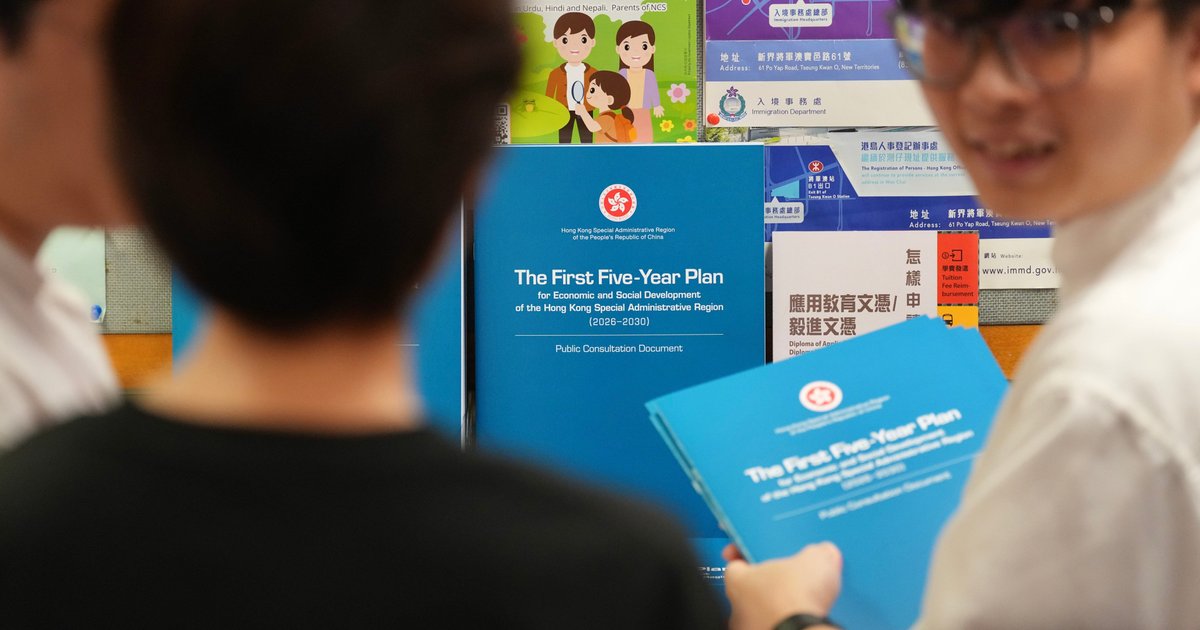
Legislative Council President Starry Lee Wai-king is seeking to extend a planned three-day joint debate on Hong Kong’s annual Policy Address and its first Five-Year Plan, arguing lawmakers need enough time to fully discuss two closely linked policy documents. Chief Executive John Lee Ka-chiu is scheduled to present both at the legislature on September 16, ahead of a combined debate from October 7 to 9.
Key Points
- LegCo earlier announced a joint debate from October 7 to 9, covering the motion of thanks on the Policy Address and a government motion on the Five-Year Plan.
- Starry Lee said she hopes to secure more debate time than in previous years, with final arrangements still to be confirmed with the chief executive.
- John Lee Ka-chiu said he would deliver the annual Policy Address and the Five-Year Plan at a special LegCo session on September 16.
- The chief executive will also attend a question-and-answer session with lawmakers on September 17, after LegCo reconvenes specially during its summer recess.
- Lee said the Five-Year Plan is expected to set medium- to long-term strategies on technology and economic growth, plus targets for housing, healthcare and labour.
- The plan is intended to align Hong Kong’s development more closely with the national blueprint for 2026 to 2030 and provide future strategic guidance.
- Separately, Lee welcomed new national amendments allowing eligible Hong Kong and Macau lawyers to practise across Greater Bay Area cities from September 1.
- She also said the government has conducted multiple drills for the revamped Huanggang Port, with an opening date pending a final Hong Kong-Shenzhen decision.
Why It Matters
Debating the Policy Address and Five-Year Plan together could shape how lawmakers scrutinise both near-term measures and longer-term development priorities in one sitting. For residents, the arrangement may affect how clearly the government links annual policy promises with broader goals on growth, housing and public services.