Hong Kong vice-principal goes viral after HKUST talk
Bastillepost · 1 SOURCESabout 1 hour ago5 MIN
Summary
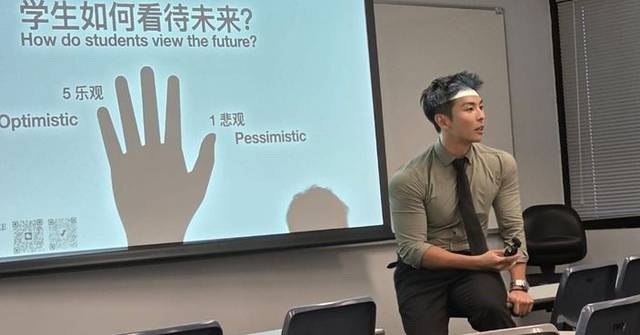
A social media post by SKH Yuen Cheng Mok Ching Silver Jubilee Primary School in Tai Po about vice-principal Lee Wai-ming (李偉銘) giving a guest lecture at the Hong Kong University of Science and Technology unexpectedly turned into an online talking point after viewers focused on his physique rather than the academic topic. The post has attracted nearly 30,000 likes, with some netizens dubbing him the “muscular vice-principal” and a bulked-up version of South Korean actor Park Bo-gum. Lee later responded in the comments with humour, saying his shirt was indeed a bit tight and that he might buy a larger one after payday, while asking the public to pay more attention to the school’s educational work
Key Points
- The school said Lee, who is also head of the gifted education development group, was invited by HKUST professor Wong Ngok-kau to speak on October 9
- His talk was titled “Beyond AI: Navigating Future Classroom Practice” and covered gifted education, innovative teaching and AI curriculum development at the school
- The discussion also examined how artificial intelligence can encourage students’ self-directed learning and creativity, according to the school’s description of the event
- Online reactions were mixed: some praised Lee’s appearance and professionalism, while others said a teacher’s looks should not become the focus of public discussion
- Lee also explained that he used simplified Chinese slides because many attendees had just finished midterms and were mainland or overseas students; he said traditional Chinese and English versions also exist
Why It Matters
The episode shows how quickly a professional education event in Hong Kong can be reframed by social media attention around appearance rather than substance. It also raises a practical issue for schools and educators using public platforms: online visibility can amplify outreach, but it can just as easily shift discussion away from teaching, students and policy ideas