Two Companies Probed Over Illegal Waste Dumping in Yangtze River Near Wuhan
On.cc · 1 SOURCESabout 2 hours ago2 MIN
Summary
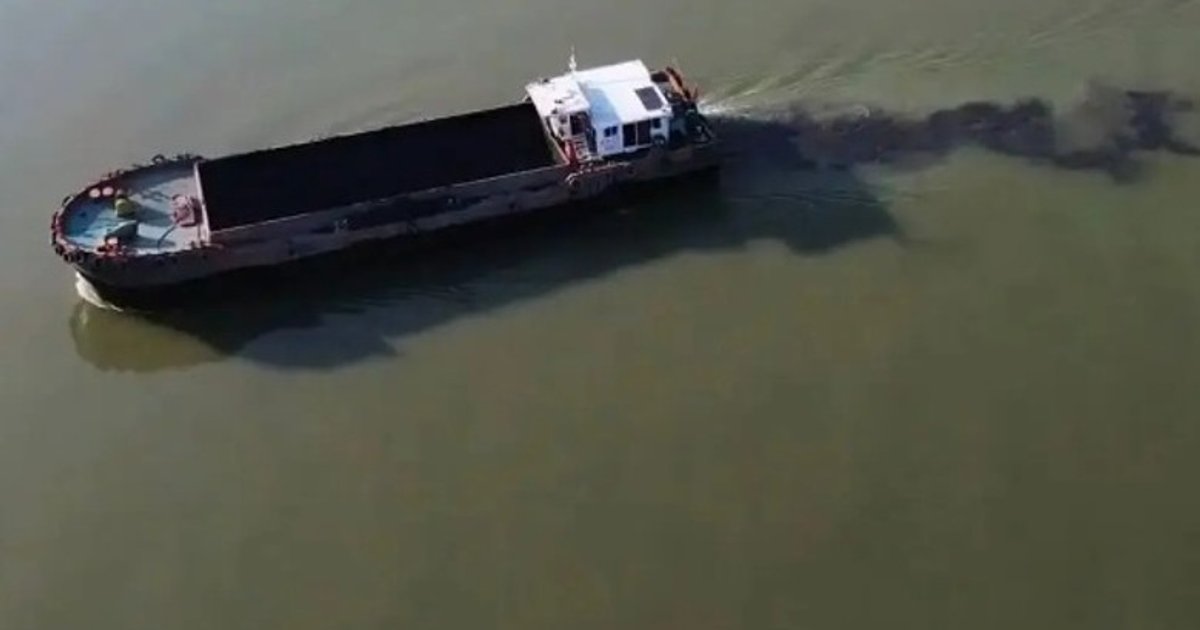
A joint investigation team from Hubei Province and Wuhan City released its findings on Friday (September 18), confirming that vessels discharged black muddy substance near Tianxingzhou in the Wuhan section of the Yangtze River. The dumped material was identified as sediment from waterway dredging operations, classified as "other solid waste" under the national Solid Waste Classification and Code Directory, carrying pollution potential. Two companies have been placed under investigation, and 11 responsible parties face disciplinary action .
Key Points
- The dumping occurred near Tianxingzhou in the Wuhan stretch of the Yangtze River, as reported by mainland internet users
- Investigation sampled sediment at six underwater locations and from barges; heavy metal levels remained below standard limits, disqualifying it as hazardous waste
- Water quality monitoring at 11 points around the dumping zone and continuous automated data since August 23 both showed stable conditions meeting Class II surface water standards
- The project owner was Qingshan Shipyard, with Fujian Lugang Group as the contractor, both holding valid permits from the Wuhan Maritime Safety Administration
- Regulatory authorities found Fujian Lugang failed to file environmental procedures and implement pollution controls; the ship owner neglected anti-pollution measures
- Both companies face orders to halt illegal activities, eliminate pollution, pay fines, and bear ecological compensation liability
Why It Matters
The case demonstrates intensified enforcement of environmental regulations in China's major river systems, with regulators holding both contractors and project owners accountable for pollution prevention failures. The outcome sets a precedent for stricter oversight of infrastructure projects near critical water sources, potentially influencing how similar dredging operations are conducted nationwide.
The case demonstrates intensified enforcement of environmental regulations in China's major river systems, with regulators holding both contractors and project owners accountable for pollution prevention failures. The outcome sets a precedent for stricter oversight of infrastructure projects near critical water sources, potentially influencing how similar dredging operations are conducted nationwide.