South Korean YouTuber Filmed at Hokkaido Mixed Hot Spring Despite Ban, Sparks Outrage
AM730 · 2 SOURCESabout 2 hours ago2 MIN
Summary
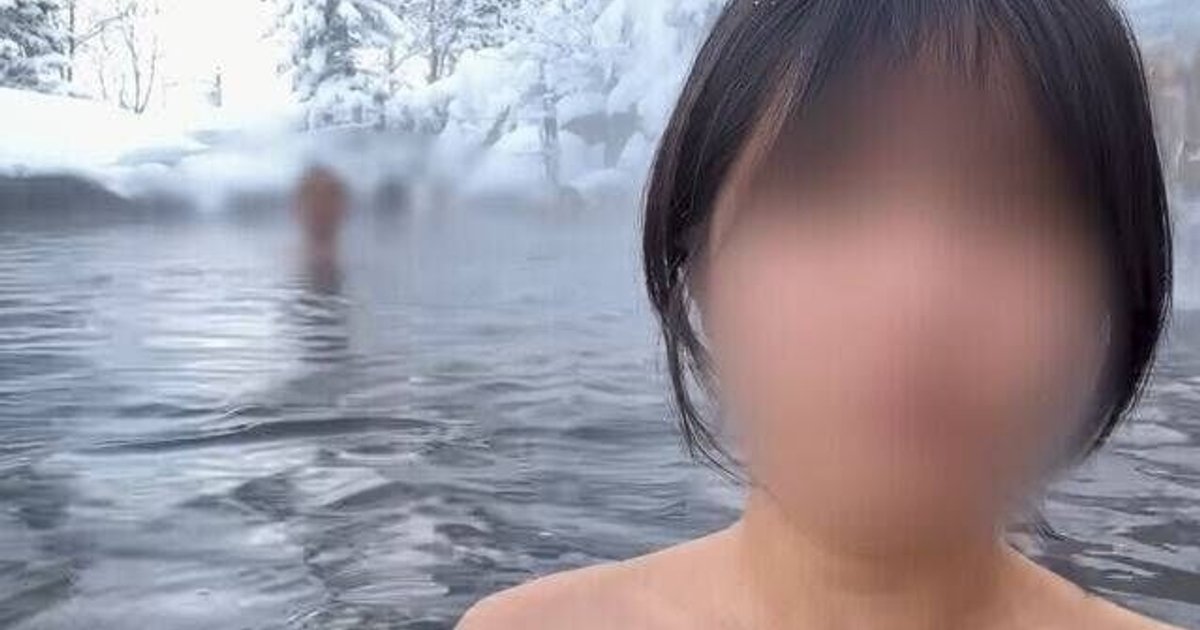
A South Korean female YouTuber has ignited online backlash after filming at a mixed-gender outdoor hot spring in Hokkaido, Japan, despite the venue clearly prohibiting photography. The video, which featured other unsuspecting bathers in the background, was posted in January and recently went viral again on social media platforms. The YouTuber admitted in the footage that she was aware filming was banned, but claimed she saw others taking photos and decided to join in. South Korean netizens have roundly condemned her actions, calling them disrespectful to other visitors' privacy and damaging to the image of Korean tourists abroad.
Key Points
- The YouTuber filmed at a mixed-gender hot spring at a Hokkaido onsen ryokan, despite clear signage prohibiting photography
- The video was titled "My First Mixed Bathing + Nude Outdoor Hot Spring Experience in Hokkaido" and was uploaded in January
- The YouTuber acknowledged in the video that she knew filming was prohibited but justified her actions by citing others who were also filming
- Other bathers were visible in the footage, potentially having their privacy violated without consent
- South Korean netizens criticized her for prioritizing content over cultural respect, with some labeling her a "national disgrace"
Why It Matters
This incident highlights the tension between content creation pressure and cultural sensitivity when traveling abroad. The controversy underscores growing concerns about tourists who prioritize viral content over respecting local customs and other people's privacy. As travel content continues to dominate social media platforms, such incidents serve as cautionary tales about the consequences of ignoring established rules in culturally significant spaces.
This incident highlights the tension between content creation pressure and cultural sensitivity when traveling abroad. The controversy underscores growing concerns about tourists who prioritize viral content over respecting local customs and other people's privacy. As travel content continues to dominate social media platforms, such incidents serve as cautionary tales about the consequences of ignoring established rules in culturally significant spaces.