France Blames Iran for Cyberattacks on Supermarket Fridges, Vows EU Sanctions
SCMP · 5 SOURCESabout 2 hours ago2 MIN
Summary
France on Monday formally accused Iran's Islamic Revolutionary Guard Corps (IRGC) of carrying out coordinated cyberattacks against commercial refrigeration systems at hundreds of supermarkets nationwide on October 11-12, marking one of the most disruptive digital assaults since the Iran war began in February. Foreign Minister Jean-Noël Barrot announced the findings at a press conference following G7 foreign ministers' meetings, describing the attacks as unprecedented in both scale and aggression . The Paris prosecutor's office has opened a judicial investigation targeting the Iranian cyber unit Shahid Kaveh and its leadership .
Key Points
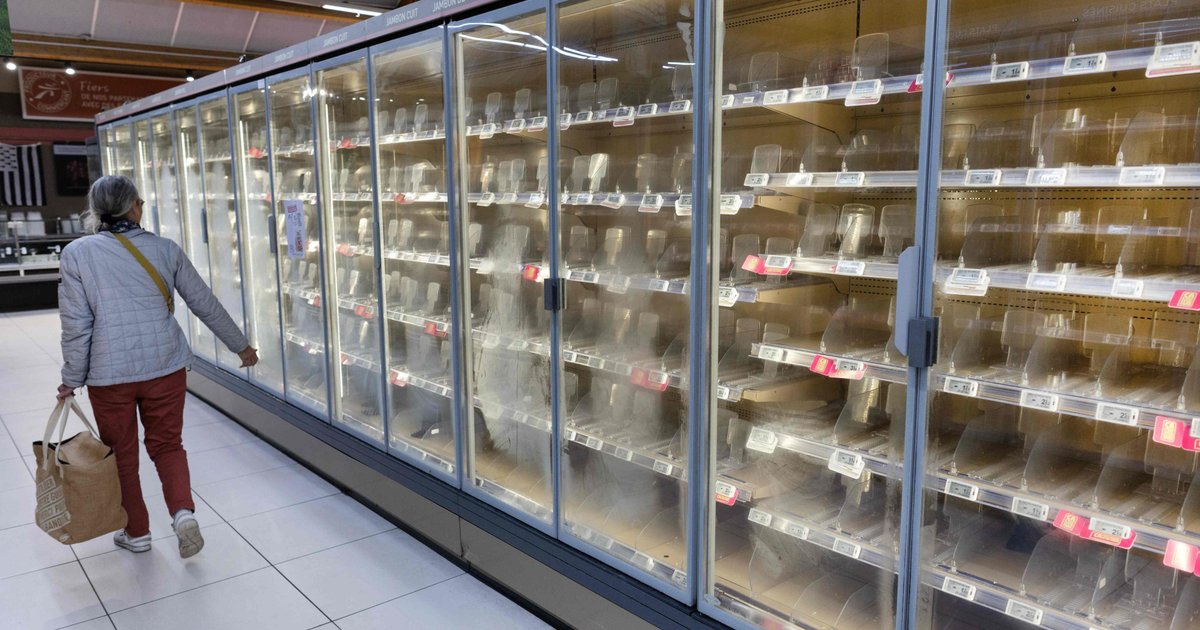
- Approximately 700 supermarkets and retail outlets across France experienced compromised refrigeration on October 11-12, with hackers remotely activating unlimited defrost cycles and disabling temperature alarms .
- Some refrigeration units reached temperatures of 50 degrees Celsius, causing fire incidents at roughly 20 establishments, with supermarkets discarding spoiled meat and melted ice cream .
- Chain supermarket Intermarché estimated its losses at tens of millions of euros from the single-day attack, while France's blood bank facilities also reported similar intrusion attempts .
- Investigation traces pointed to Shahid Kaveh, an IRGC-affiliated offensive cyber unit operating under the Electronic and Cyber Centre, with evidence including Farsi language usage and Iranian IP addresses .
- France summoned Iran's ambassador to protest the attacks and committed to pursuing sanctions at the European level, with international arrest warrants sought for the unit's leader and two deputies .
Why It Matters
The supermarket fridge attacks represent a significant escalation in cyber warfare tactics, shifting from traditional infrastructure targets to civilian supply chains that could cause immediate economic damage and potential public health hazards . This incident underscores how outdated industrial control systems in commercial equipment remain vulnerable to nation-state actors, prompting concerns about similar attacks on critical infrastructure worldwide .
The supermarket fridge attacks represent a significant escalation in cyber warfare tactics, shifting from traditional infrastructure targets to civilian supply chains that could cause immediate economic damage and potential public health hazards . This incident underscores how outdated industrial control systems in commercial equipment remain vulnerable to nation-state actors, prompting concerns about similar attacks on critical infrastructure worldwide .