Germany Closes Russian Consulate, Accuses Moscow of Airport Drone Plot
Crhk · 2 SOURCESabout 2 hours ago3 MIN
Summary
Germany has formally accused Russia of orchestrating a failed drone attack at Leipzig-Halle Airport, announcing sweeping retaliatory measures including the closure of Russian diplomatic facilities. The August 4 incident saw airport staff discover an explosive-laden unmanned aircraft near a Ukrainian cargo plane on the southern runway; bomb disposal units safely neutralized the device with no injuries reported. Investigation findings indicate the drone's configuration, components, and detonation technology mirror techniques employed in previous Russian hybrid operations and the Ukraine conflict, pointing to sophisticated planning by professional operatives. German Foreign Minister Annalena Baerbock summoned the Russian ambassador to protest, condemning the action as a deliberate attempt to destabilize bilateral relations. Moscow denies all allegations, with Spokesperson Maria Zakharova characterizing Germany's claims as lacking credible evidence and serving as pretexts for escalating diplomatic confrontation.
Key Points
- German authorities will shutter the Russian Consulate General in Bonn and the Russian House cultural center in Berlin effective September 18, 2026
- The August 4 drone carried explosives near a Ukrainian cargo aircraft on Leipzig-Halle Airport's south runway; bomb disposal robots safely detonated the device
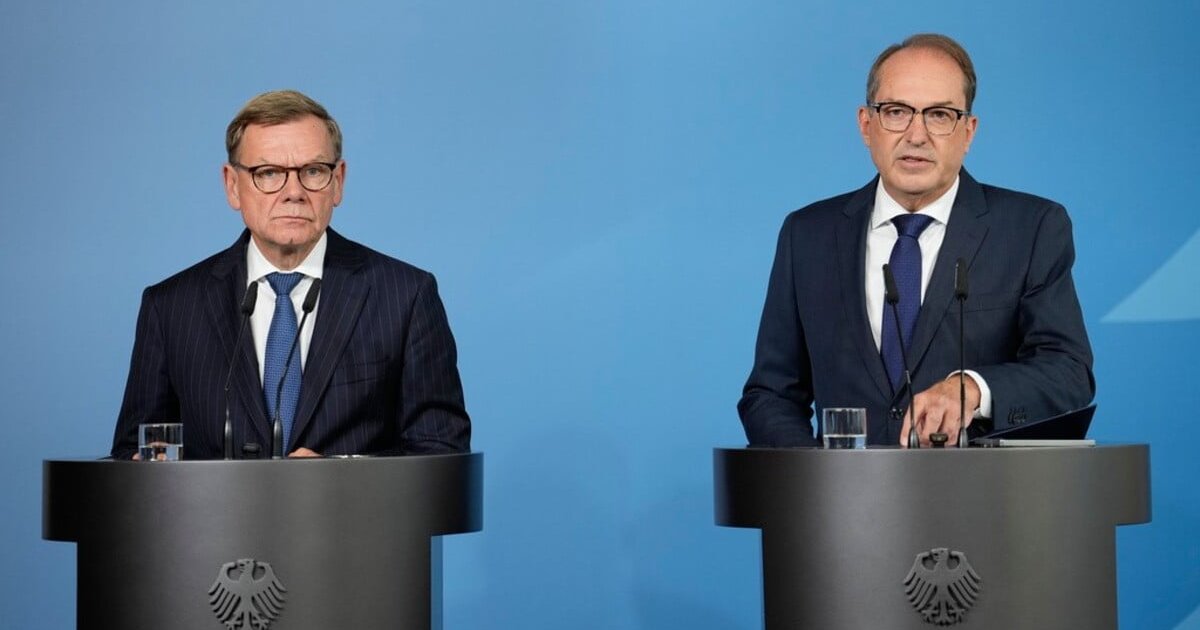
- Interior Minister Faeser confirmed the attack utilized the same explosive materials and detonation technology as prior Russian hybrid operations
- Germany will push for expanded EU sanctions on Russians, intensify border screening for Russian nationals, and increase pressure on Russia's shadow tanker fleet
- Russia denied involvement, with Zakharova stating the Kremlin will retaliate and accusing Berlin of manufactured pretexts damaging bilateral ties
Why It Matters
The incident marks a significant deterioration in Germany-Russia relations, with Berlin taking its most assertive action by targeting Russian diplomatic infrastructure. The sophisticated nature of the airport attack highlights how Russia continues deploying hybrid tactics against European targets, raising security concerns across NATO member states. For Hong Kong readers, this escalation underscores the global reach of geopolitical tensions and demonstrates how European responses to Russian aggression—through sanctions, diplomatic expulsions, and enhanced border controls—mirror broader patterns affecting international travel and trade flows worldwide.
The incident marks a significant deterioration in Germany-Russia relations, with Berlin taking its most assertive action by targeting Russian diplomatic infrastructure. The sophisticated nature of the airport attack highlights how Russia continues deploying hybrid tactics against European targets, raising security concerns across NATO member states. For Hong Kong readers, this escalation underscores the global reach of geopolitical tensions and demonstrates how European responses to Russian aggression—through sanctions, diplomatic expulsions, and enhanced border controls—mirror broader patterns affecting international travel and trade flows worldwide.