Commentary criticises Japan over wartime historical denial
HK01 · 1 SOURCES1 day ago2 MIN
Summary
An opinion piece in HK01 says Japan’s post-war handling of its wartime aggression remains inadequate, arguing that repeated official expressions of remorse have been undermined by disputed wording, visits by politicians to Yasukuni Shrine and other controversial remarks. The commentary contrasts that record with former West German chancellor Willy Brandt’s spontaneous kneeling in Warsaw on December 7, 1970, presented as a symbol of repentance for Nazi crimes
Key Points
- The article says historians estimate 70 million to 85 million people died in the Second World War, making it the deadliest conflict in human history
- It argues Germany and Japan, both identified as wartime aggressors, adopted sharply different post-war attitudes toward responsibility and remembrance
- The commentary says Japan still has not released complete statistics on wartime “comfort women” or carried out a full investigation, prosecution and conviction process over the abuses
- It says some Japanese public facilities and textbooks have used the more neutral term “Nanjing Incident” instead of the “Nanjing Massacre,” which the author describes as an attempt to dilute aggression
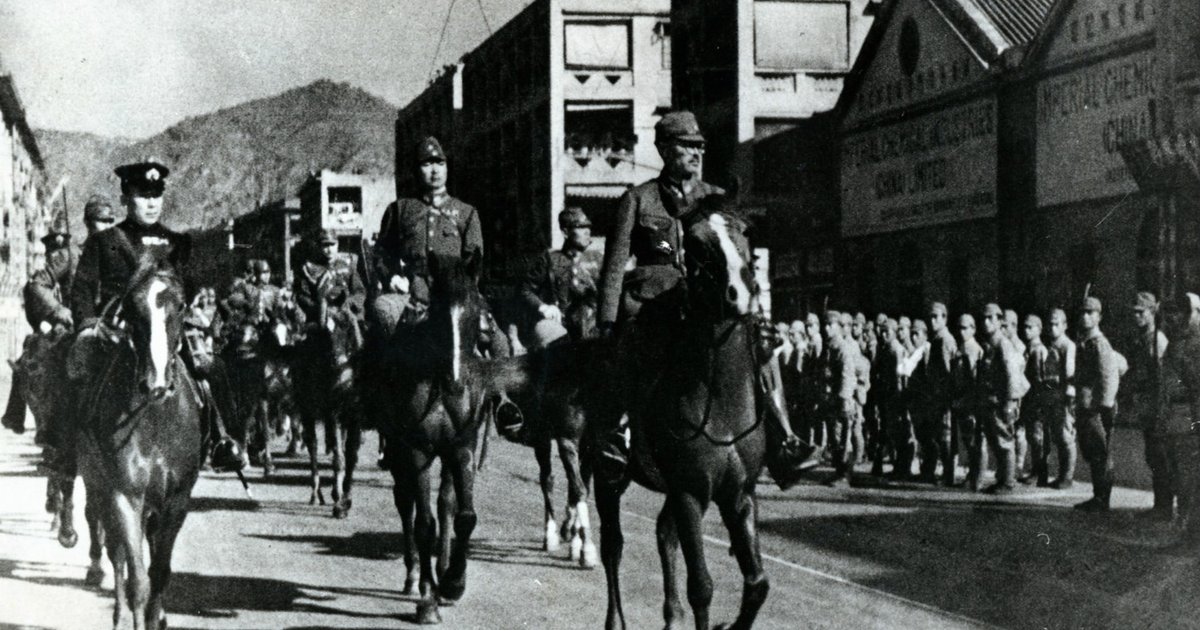
- Recalling Hong Kong’s “three years and eight months” under Japanese occupation, the piece says the population fell from about 1.6 million in 1941 to about 600,000 in 1945 amid food shortages and forced repatriation
Why It Matters
For Hong Kong readers, the commentary ties debates over wartime memory directly to the city’s own experience under Japanese occupation, including famine, civilian killings and forced labour. It argues that as survivors age, delays in preserving testimony and addressing unresolved grievances leave less room for historical accountability and healing