Tech Entrepreneur Luo Yonghao Sparks Debate After Criticizing Ice Cream Brand as 'Overpriced, Tasteless'
SingTao · 1 SOURCESabout 2 hours ago5 MIN
Summary
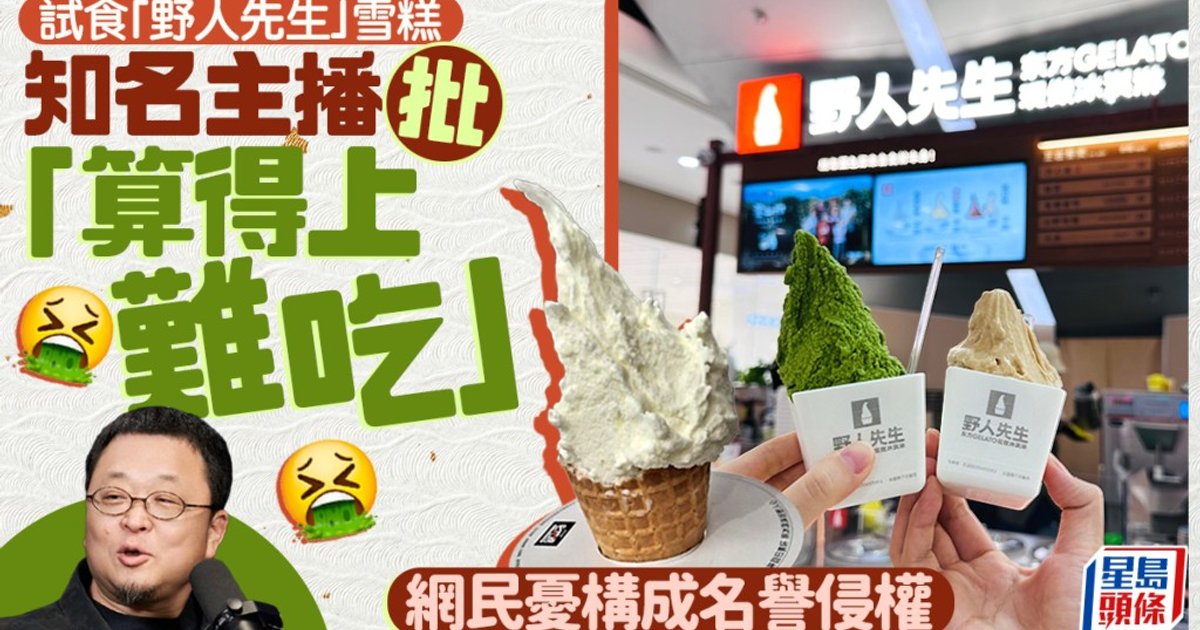
Chinese tech entrepreneur and prominent livestream host Luo Yonghao has ignited an online controversy after publicly criticizing the ice cream brand Mr. Savage (野人先生) on social media, calling the product "at best average" and "relatively unpalatable" considering its price point. The comments, posted on September 12, drew polarized reactions from netizens, with some defending the brand's rice and pistachio flavors while others questioned whether it meets traditional Gelato standards. Despite the backlash, Mr. Savage's official video account reportedly gained nearly 30,000 new followers, reaching approximately 4.4 million subscribers.
Key Points
- Luo Yonghao posted on Weibo on September 12, 2026, describing the Mr. Savage ice cream as generally unremarkable, and "relatively unpalatable" when factoring in its pricing .
- He compared the brand unfavorably to Zhong Xuegao (鐘薛高), a once-popular premium ice cream brand that has since gone bankrupt and been auctioned off .
- Customer service representatives responded on September 13, stating they would document the feedback and escalate it to management, though the brand has not issued an official public statement .
- The brand, originally founded as Wild Man Ranch (野人牧坊) in 2011 by entrepreneur Cui Jianwei (later known as Cui Jianwei), rebranded as Mr. Savage in April 2024 and has rapidly expanded to over 1,400 stores across 30 Chinese provinces .
- Legal experts have weighed in, stating that while Luo Yonghao's comments may negatively impact the brand, they do not constitute defamation as he was exercising his consumer right to evaluate products .
Why It Matters
The incident highlights the significant influence that prominent social media personalities wield over consumer brands in China's digital economy, where a single critical post can reshape public perception almost overnight. For Hong Kong consumers who frequently travel north for shopping and dining, this controversy underscores the importance of forming independent opinions rather than relying solely on influencer reviews, especially given the polarized nature of online food discourse .
The incident highlights the significant influence that prominent social media personalities wield over consumer brands in China's digital economy, where a single critical post can reshape public perception almost overnight. For Hong Kong consumers who frequently travel north for shopping and dining, this controversy underscores the importance of forming independent opinions rather than relying solely on influencer reviews, especially given the polarized nature of online food discourse .