Mary Hospital New Building Elevators Broken for Months, Only 3-4 of 28 Operational
HK01 · 3 SOURCESabout 3 hours ago2 MIN
Summary
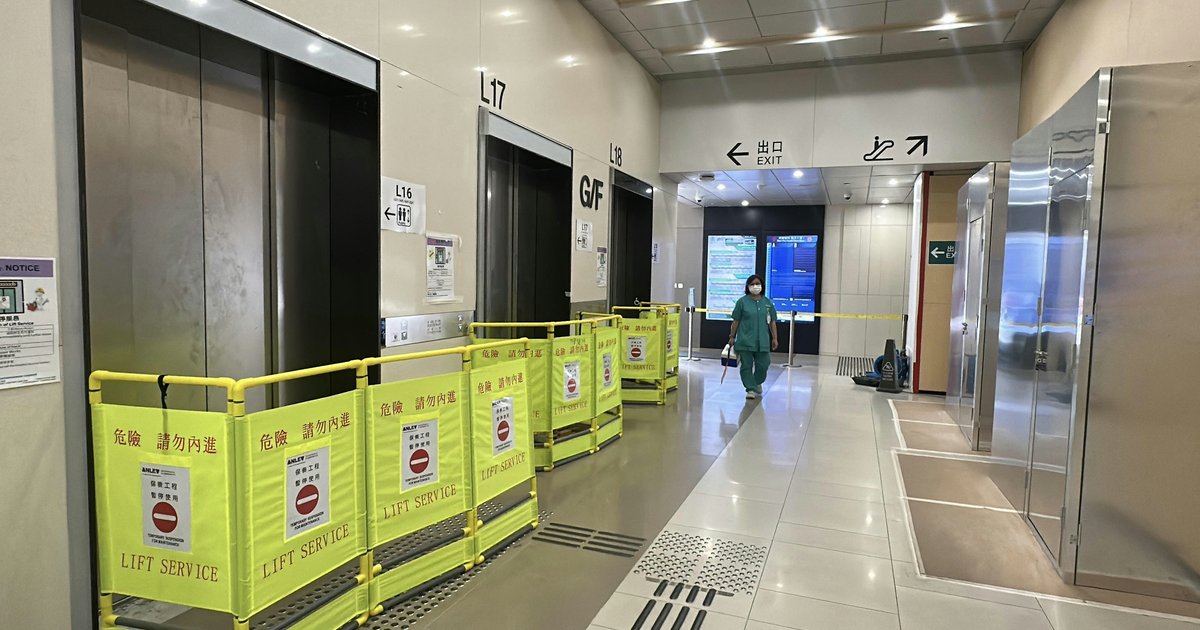
Queen Mary Hospital's new Clinical Block 1, delivered in late 2024, has been plagued by severe elevator malfunctions. More than 20 of the building's 28 elevators have been suspended since April 2, with only three to four currently operational, according to on-site observations and official records. Healthcare workers report constant safety hazards, including being trapped and experiencing sudden drops. The government confirmed the elevators failed to meet contractual installation and operational standards.
Key Points
- The 28-elevator Clinical Block 1 at Queen Mary Hospital has seen over 20 units suspended since April 2, with only 3-4 operational
- From July 2024 to June 2025, seven reportable elevator failures occurred, trapping six passengers and injuring four
- Healthcare staff described pervasive safety issues, with workers stating everyone had experienced being "jerked" by the elevators
- The Buildings Department, Electrical and Mechanical Services Department, and Hospital Authority jointly confirmed the elevators failed contractual standards
- The main contractor is the P&T-Bao An Joint Venture, and elevators were installed by Anlik Elevator Company
- Repairs are projected to complete by the fourth quarter of 2025, with the building yet to provide clinical services
Why It Matters
The ongoing elevator crisis has delayed the opening of clinical services at a major Hong Kong hospital, directly impacting healthcare delivery. With the government reserving the right to pursue damages from the contractor, this case highlights accountability challenges in large-scale public infrastructure projects and raises concerns about construction quality standards for critical medical facilities .
The ongoing elevator crisis has delayed the opening of clinical services at a major Hong Kong hospital, directly impacting healthcare delivery. With the government reserving the right to pursue damages from the contractor, this case highlights accountability challenges in large-scale public infrastructure projects and raises concerns about construction quality standards for critical medical facilities .