David Yau Urges Hong Kong Entrepreneurs to Start Businesses in Malaysia, Warns Against Property Investment
SingTao · 1 SOURCESabout 2 hours ago5 MIN
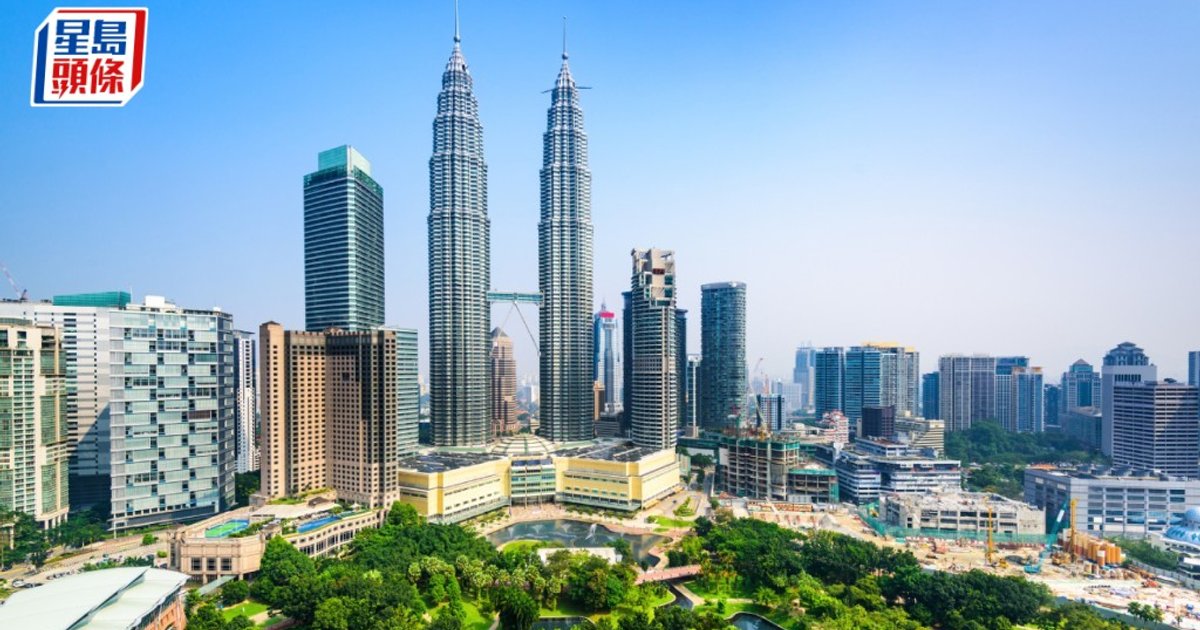
Summary
David Yau Tat-cheung encouraged Hong Kong entrepreneurs to explore Malaysia as a business destination during a Hong Kong Trade Development Council (HKTDC) event in Malaysia. Drawing from his 30 years of experience building Mayland into one of Malaysia's four largest property developers, Yau cited cultural proximity and similar legal systems as major advantages. However, he explicitly warned Hong Kong investors against purchasing Malaysian property, noting that while headline rental yields appear attractive, hidden costs significantly reduce actual returns.
Key Points
- Yau and his wife started their Malaysian venture 30 years ago with just eight employees in a small office in Kuala Lumpur's Chinatown
- Mayland (馬來西亞置地), their Malaysian flagship company, has grown to become one of Malaysia's four largest property developers, with additional pharmaceutical and hotel businesses
- The group now generates approximately HK$7 billion in annual revenue and employs about 3,500 people across Malaysia
- Their portfolio includes 13 hotels with occupancy rates averaging 80-90 percent, though hotel room rates are roughly half those in Hong Kong
- Yau advised Hong Kong investors to avoid Malaysian property, stating that while rental yields nominally reach 6 percent, rates, management fees, and tenant acquisition costs substantially erode profits
Why It Matters
The article highlights Malaysia as an increasingly attractive destination for Hong Kong businesses amid geopolitical tensions and economic uncertainty in the region. Yau's cautionary stance on property investment underscores the importance of thorough due diligence for Hong Kong investors considering overseas real estate, particularly in markets where headline returns may not reflect actual net yields. His success story demonstrates both the opportunities and challenges of cross-border entrepreneurship for Hong Kong enterprises seeking diversification beyond the city's saturated market.
The article highlights Malaysia as an increasingly attractive destination for Hong Kong businesses amid geopolitical tensions and economic uncertainty in the region. Yau's cautionary stance on property investment underscores the importance of thorough due diligence for Hong Kong investors considering overseas real estate, particularly in markets where headline returns may not reflect actual net yields. His success story demonstrates both the opportunities and challenges of cross-border entrepreneurship for Hong Kong enterprises seeking diversification beyond the city's saturated market.