Europe Protests and Strikes Disrupt Public Services
SingTao · 3 SOURCESabout 2 hours ago2 MIN
Summary
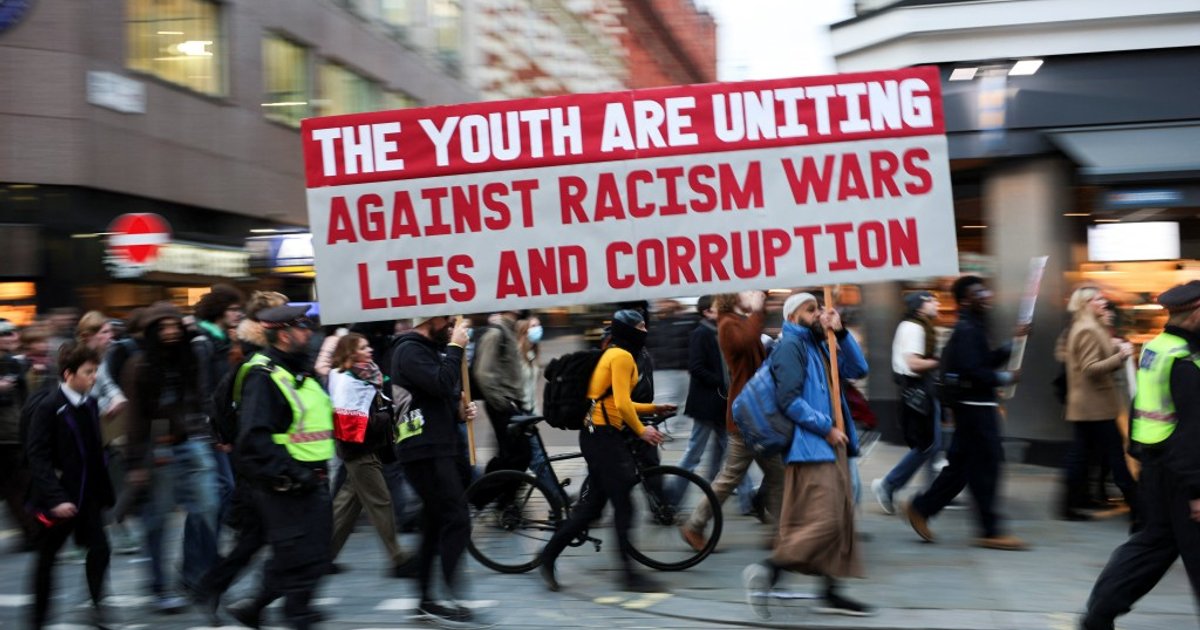
Protests led largely by young people and trade unions took place across several European countries on Friday, with demonstrators voicing anger over high living costs, defence spending and the climate crisis while demanding higher wages and more investment in public services. The actions affected transport, healthcare, education and other services in some countries, with especially broad disruption reported in Italy and Portugal. Further demonstrations were reported on Saturday in France, where authorities said about 82,000 people joined nationwide protests, while rallies also took place in Lisbon and Barcelona. Across the movement, demands varied by country but commonly focused on housing, education, healthcare and opposition to higher military spending.
Key Points
- A youth-led coalition of more than 50 groups coordinated Friday's actions across Germany, Britain, France, Italy, Switzerland, Spain and Portugal
- In Berlin, police said about 4,500 people joined the protest and around 1,600 officers were deployed to maintain order.
- In London, protesters gathered outside Parliament and in Trafalgar Square before converging near the prime minister's residence, causing congestion and several arrests after confrontations.
- Italy's CGIL trade union said more than 1.5 million people joined a nationwide strike spanning public services and parts of the private sector
- Portugal's public-sector strike affected hospitals, schools and rubbish collection, while many schools closed and hospitals operated only minimum services
Why It Matters
For Hong Kong readers, the story matters because it shows how cost-of-living pressures and budget priorities can quickly spill into transport, healthcare and education disruptions that affect daily life. It also points to the risk of prolonged weekend unrest in major European cities, which may matter to travellers and students planning trips or study arrangements there.