Iran Demands US Lift Sanctions Before Talks, Says Two-Day Plan Still Valid
Crhk · 2 SOURCESabout 2 hours ago2 MIN
Summary
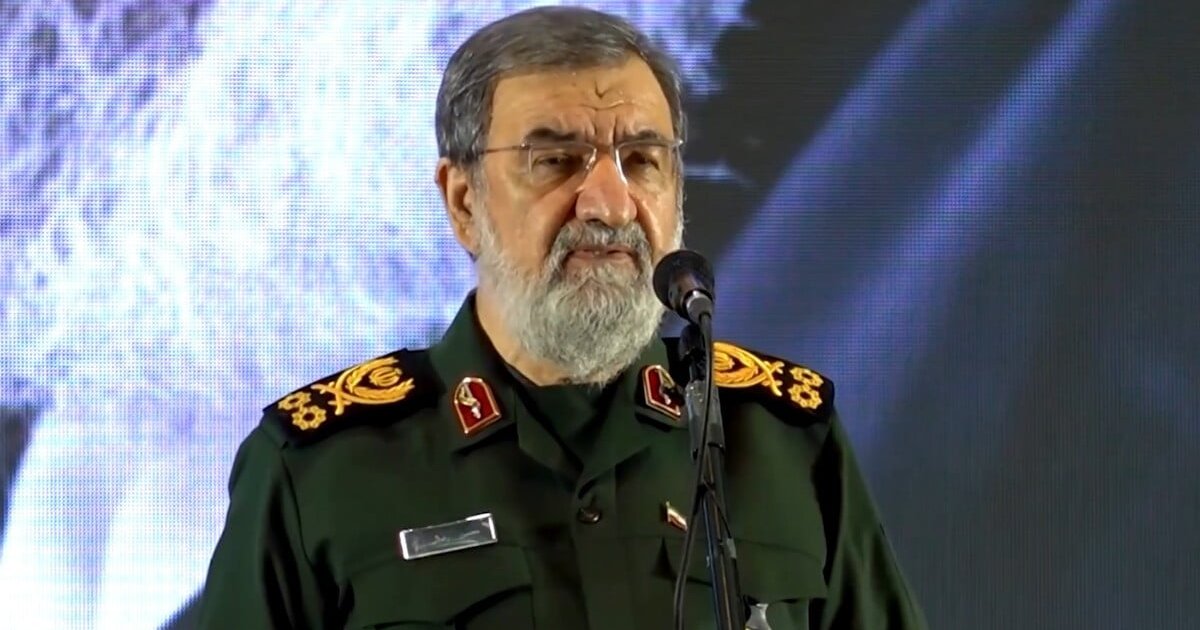
Iran has firmly rejected media reports suggesting its Supreme National Security Council Secretary Rezaei was planning to meet with US Vice President Vance, calling the allegations unfounded. Iranian Foreign Ministry spokesman Baqaei and Foreign Minister Araghchi both issued strong denials on November 11, 2026, while simultaneously reaffirming Tehran's uncompromising stance on preconditions for negotiations. The Islamic Republic maintains that the US must cease what it terms illegal sanctions, lift naval blockades, and halt military operations across all fronts before any dialogue can commence. Iran's two-day plan, which outlines conditions for restoring stability in the Strait of Hormuz and the Persian Gulf, continues to serve as the framework for potential resolution .
Key Points
- Supreme National Security Council Secretary Rezaei dismissed reports of a planned meeting with US Vice President Vance as nonsense and completely without basis .
- Iranian officials stated that US claims about continuing negotiations and holding meetings in Qatar are outright lies designed to ease domestic economic pressure and lower oil prices .
- Iran has presented seven conditions that must be met before the Strait of Hormuz can be reopened, with officials warning the waterway will remain closed until American demands are addressed .
- US Secretary of State Rubio criticized Iran's preconditions as unacceptable and impractical, while acknowledging limited effectiveness of current diplomatic efforts .
- Iran says its two-day plan aims to restore security in the Strait of Hormuz and Persian Gulf, claiming positive regional changes could occur within two days if the US meets Tehran's requirements .
- Mediation efforts are underway through Pakistan and Qatar, with Iran maintaining communication channels with both nations .
- Foreign Minister Araghchi told Trump he should have realized earlier that military action and enhanced sanctions cannot end the Iran war .
Why It Matters
The standoff threatens global oil markets, as the Strait of Hormuz handles roughly one-fifth of the world's oil shipments. Any prolonged closure could drive up energy prices worldwide and increase economic strain on oil-importing nations. The hardening of positions on both sides signals that diplomatic resolution remains elusive, raising concerns about potential escalation in an already volatile Middle East region .
The standoff threatens global oil markets, as the Strait of Hormuz handles roughly one-fifth of the world's oil shipments. Any prolonged closure could drive up energy prices worldwide and increase economic strain on oil-importing nations. The hardening of positions on both sides signals that diplomatic resolution remains elusive, raising concerns about potential escalation in an already volatile Middle East region .