Wang Meng's Poetry China Showcases 200-Plus Classic Verses in Cross-Era Dialogue
SingTao · 1 SOURCESabout 2 hours ago2 MIN
Summary
Literary master Wang Meng, officially designated a People's Artist, has unveiled his latest work titled Poetry China, featuring a curated selection of over 200 classic poems and ci (song lyrics) that traverse Chinese literary history from antiquity to the contemporary era .
Key Points
- Wang Meng's Poetry China opens with "Qingyun Song" from ancient times, guiding readers through major poets including Cao Cao, Tao Yuanming, Li Bai, and Du Fu
- The book presents Li Bai and Mao Zedong meeting through the same ci title, bridging a thousand years of literary tradition in a single poetic form
- Wang Meng arranges verses not strictly by literary chronology but by personal memory, impressions, and topic types, creating unexpected thematic connections
- The author employs prose-poetry style to blend classical poetic charm with modern aesthetic sensibilities, drawing parallels between Li Bai's works and Beatles songs
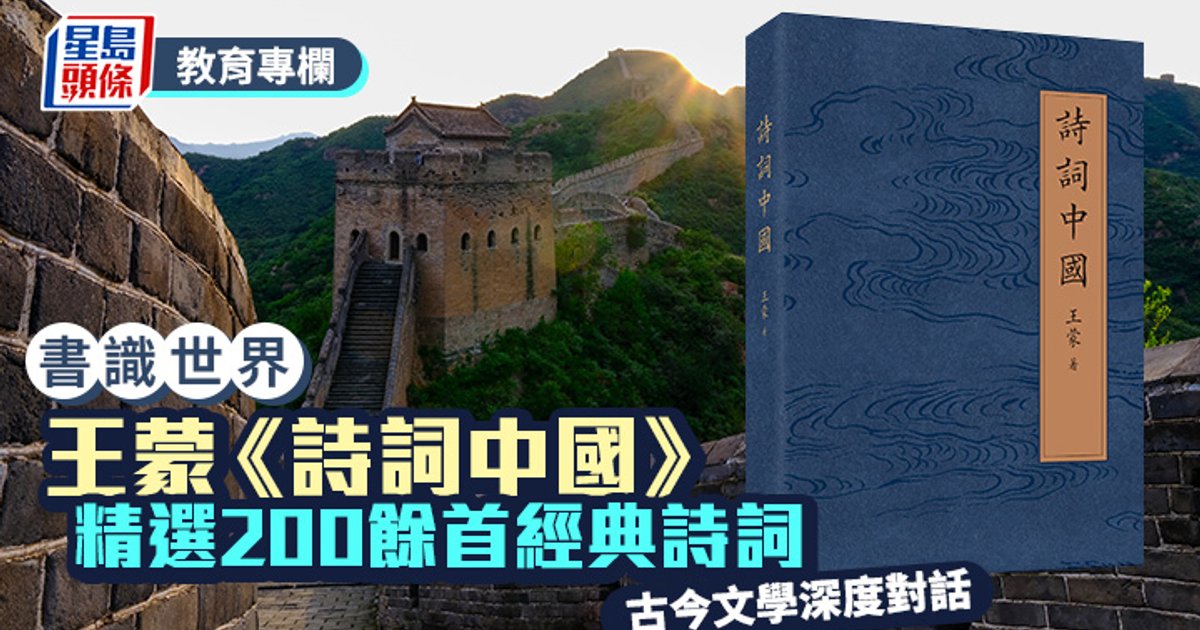
- Poetry China features elegant Swiss-style hardcover binding with deep blue cloth covers, sky-blue text pages, and vertical verse layout combining classical and modern design
Why It Matters
Wang Meng's Poetry China demonstrates that Chinese poetry remains a living cultural artery, its "poetic heart" pulsing through millennia of transformation. For Hong Kong readers, this volume offers a bridge between traditional Chinese literary heritage and contemporary appreciation, presenting ancient verses through a modern literary master's lens that makes classical works accessible and relevant to today's readers while honoring the enduring spirit of Chinese poetry.
Wang Meng's Poetry China demonstrates that Chinese poetry remains a living cultural artery, its "poetic heart" pulsing through millennia of transformation. For Hong Kong readers, this volume offers a bridge between traditional Chinese literary heritage and contemporary appreciation, presenting ancient verses through a modern literary master's lens that makes classical works accessible and relevant to today's readers while honoring the enduring spirit of Chinese poetry.