Murray House: Hong Kong's Century-Old Haunted Heritage Building
AM730 · 1 SOURCESabout 2 hours ago6 MIN
Summary
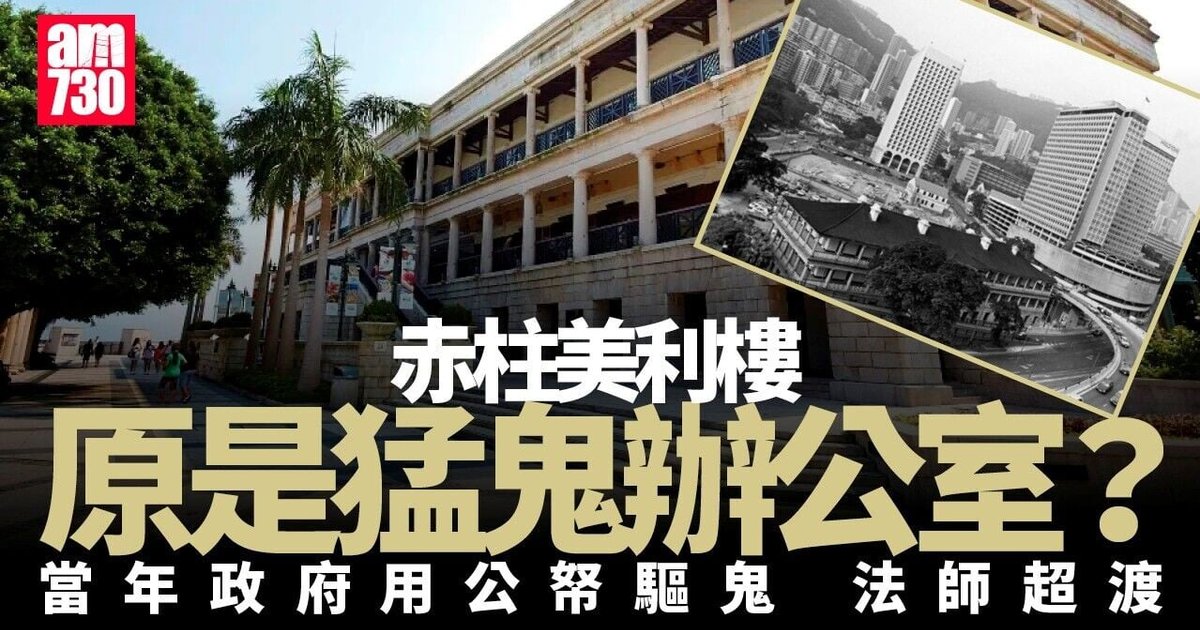
Murray House (美利樓), a landmark colonial building now situated along the Stanley waterfront, has returned to the spotlight after all its restaurants and shops vacated, earning it the moniker of a modern "ghost town." Yet the structure's history of haunting predates this commercial decline — during WWII, the building served as the Japanese military police headquarters where an estimated 4,000 people were tortured and killed. After the war, when the government repurposed the building as offices for the Rating and Valuation Department, staff reported persistent paranormal activity, prompting authorities to allocate public funds for a mass Buddhist exorcism ceremony in May 1963. The building's remarkable journey from Central to Stanley, spanning over 150 years of colonial history and urban transformation, reflects Hong Kong's complex relationship with its heritage sites.
Key Points
- Murray House was constructed in 1846 as military barracks for British soldiers, named after Colonial Secretary Sir George Murray
- During Japanese occupation (1941-1945), the building became the Kempeitai headquarters with prison cells and execution chambers where approximately 4,000 people died
- In May 1963, the government hired 56 Buddhist monks to conduct purification ceremonies after continuous haunting reports from about 200 Rating and Valuation Department staff
- Reported paranormal phenomena included ghosts seen under toilet doors, headless spirits, automatic door movements, and typing sounds from empty rooms
- In the 1980s, the site was sold to Bank of China for HK$11 billion for construction of the Bank of China Tower designed by I.M. Pei
- The building was carefully dismantled with 3,000+ numbered components stored at Tai Tam Reservoir for over a decade before reassembly in Stanley in 1998
Why It Matters
Murray House's transformation from a site of wartime atrocities to a colonial administrative office, and now a tourist attraction, illustrates Hong Kong's ongoing negotiation between preservation and urban development. The building's recent commercial vacancy raises questions about the viability of heritage tourism and the challenges of maintaining historical landmarks in a rapidly changing cityscape. Its haunted legacy serves as a stark reminder of the human suffering embedded within Hong Kong's built environment, even as these spaces are repurposed for leisure and commerce.
Murray House's transformation from a site of wartime atrocities to a colonial administrative office, and now a tourist attraction, illustrates Hong Kong's ongoing negotiation between preservation and urban development. The building's recent commercial vacancy raises questions about the viability of heritage tourism and the challenges of maintaining historical landmarks in a rapidly changing cityscape. Its haunted legacy serves as a stark reminder of the human suffering embedded within Hong Kong's built environment, even as these spaces are repurposed for leisure and commerce.