Taiwan Rejects 7 Tons of Mainland Hairy Crabs Over Cancerous Dioxin
SingTao · 2 SOURCES1 day ago2 MIN
Summary
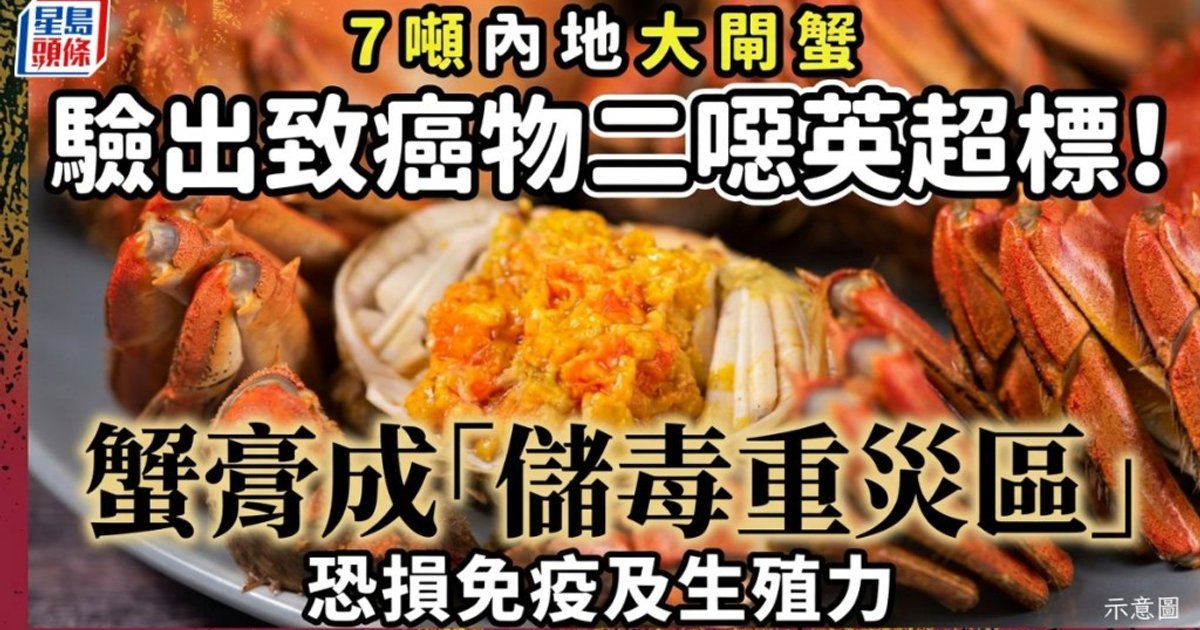
Taiwan's Food and Drug Administration has seized and removed from import a shipment of 7,000 kilograms of live hairy crabs originating from Anhui province after routine border inspections revealed dangerous levels of dioxin, a known Group 1 carcinogen. The contaminated batch, exported by Anhui Mingguang City Ocean Aquatic Products Trading Company and imported by Fulong Guangyun Trading Company, tested at 4.1 picograms per gram of wet weight, exceeding Taiwan's legal limit of 3.5 picograms. The hairy crabs were entirely blocked from entering the market through the agency's 100% batch-by-batch inspection protocol and have been returned or destroyed according to regulations. Food safety experts are warning that crab paste and crab roe, the fatty organs prized by connoisseurs, accumulate the highest concentrations of such lipophilic toxins.
Key Points
- Taiwan FDA detected 4.1 picograms of dioxin per gram in 7 tonnes of Anhui hairy crabs, surpassing the 3.5 picogram limit
- The importer was Fulong Guangyun Trading Company; exporter was Anhui Mingguang City Ocean Aquatic Products Trading Company
- Dioxin, classified by WHO as a Group 1 carcinogen, accumulates primarily in fatty tissues like crab paste and roe
- Foreign studies found contaminated crab brown meat contains 15 to 115 times more dioxin than white meat
- The crabs were fully intercepted, returned, or destroyed under 100% batch inspection, with none entering the market
Why It Matters
This incident highlights the persistent risk of environmental pollutants accumulating in aquaculture products, particularly in high-fat organs that consumers traditionally consider delicacies. Hong Kong diners who enjoy hairy crabs during the autumn season should remain vigilant, as dioxin contamination cannot be detected by sight or smell and requires laboratory testing to identify.
This incident highlights the persistent risk of environmental pollutants accumulating in aquaculture products, particularly in high-fat organs that consumers traditionally consider delicacies. Hong Kong diners who enjoy hairy crabs during the autumn season should remain vigilant, as dioxin contamination cannot be detected by sight or smell and requires laboratory testing to identify.