Record Heat Drives Fan Sales Surge in Sham Shui Po
SingTao · 1 SOURCESabout 2 hours ago2 MIN
Summary
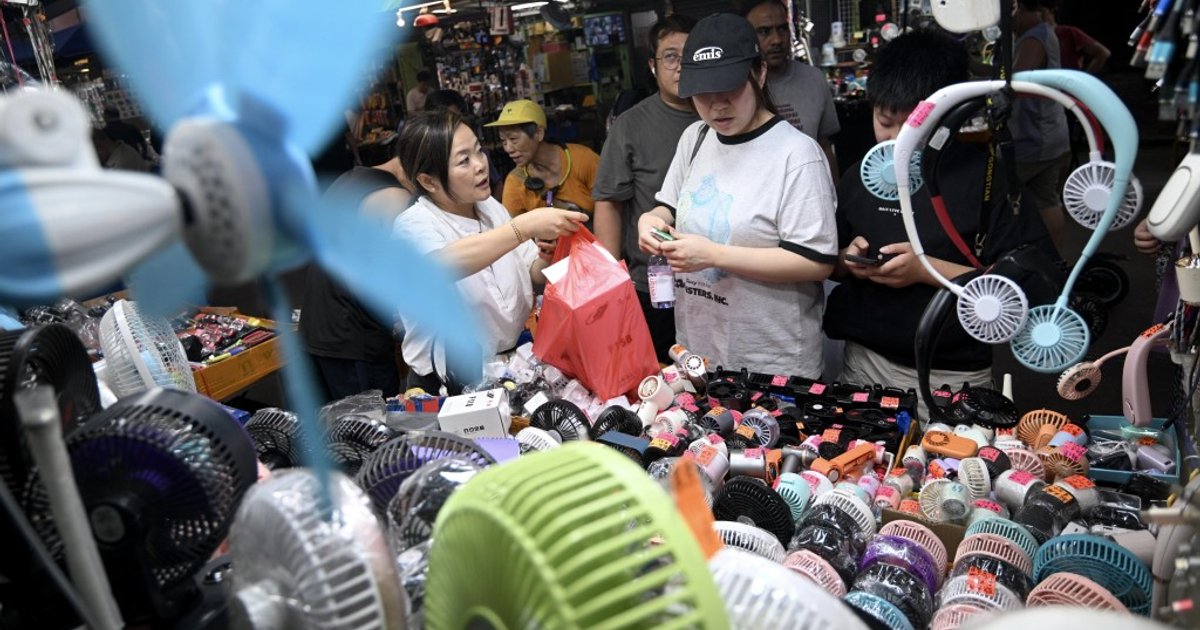
Hong Kong sweltered through its hottest day on record on July 9, with the Hong Kong Observatory recording a maximum temperature of 36.7 degrees Celsius—the highest since records began in 1884 . The extreme heat triggered a surge in demand for cooling equipment across the city, with Sham Shui Po's street stalls experiencing a notable boom in fan and fan-jacket sales .
Key Points
- The Hong Kong Observatory recorded a peak temperature of 36.7°C on July 9, surpassing all records since 1884 .
- A fan-jacket vendor in Sham Shui Po reported business had more than doubled compared to last summer, describing sales as completely maxed out .
- Construction workers and other outdoor laborers were the primary customers for fan jackets, with many purchasing them as emergency relief from the heat .
- Some buyers were so desperate they immediately tore open packaging and began using the fan jackets on the spot after purchase .
- A phone accessories vendor named Mrs. Wong said she bought fans for her stall and frequently purchased cold drinks, but considered closing on weekdays due to reduced foot traffic .
Why It Matters
The record-breaking temperatures expose the limited protection available to Hong Kong's outdoor workforce, who must purchase their own cooling equipment rather than rely on employer provisions or effective government heat warnings. The reliance on personal fan jackets and ad hoc solutions by laborers also raises questions about whether current labor regulations adequately address extreme weather risks.
The record-breaking temperatures expose the limited protection available to Hong Kong's outdoor workforce, who must purchase their own cooling equipment rather than rely on employer provisions or effective government heat warnings. The reliance on personal fan jackets and ad hoc solutions by laborers also raises questions about whether current labor regulations adequately address extreme weather risks.