Survey Finds Feels-Like Temperature at Rough Sleepers' Sites Reaches 48.5°C, Heat and Pests Driving Severe Sleep Deprivation
AM730 · 2 SOURCESabout 1 hour ago4 MIN
Summary
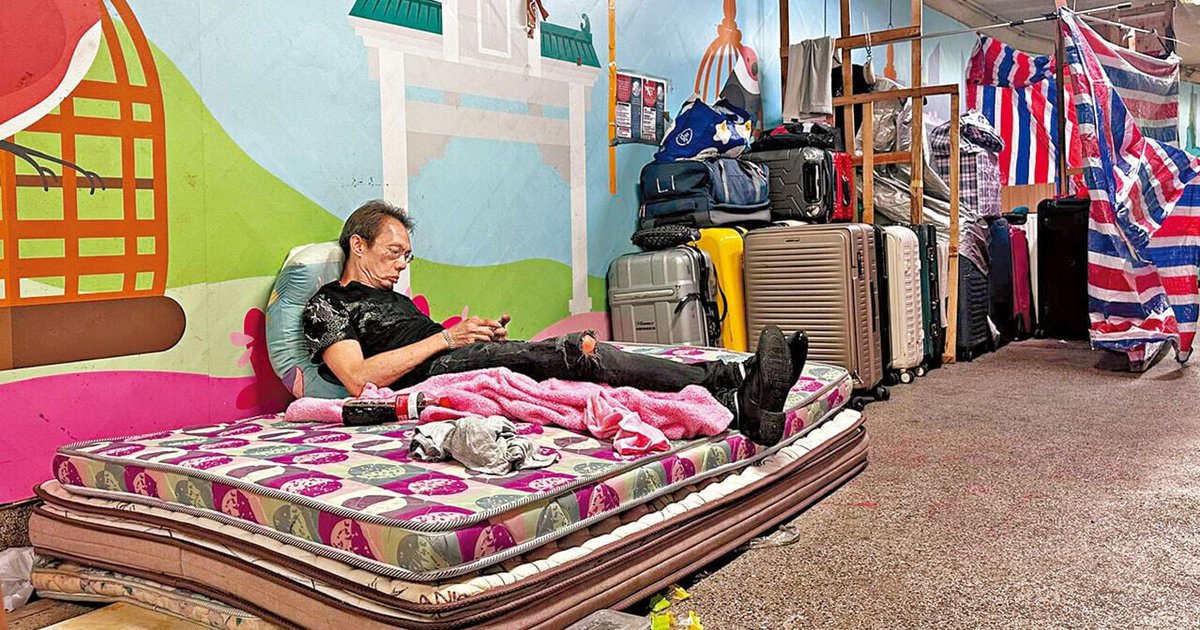
A comprehensive survey by homeless welfare organization Drop-In Centre has exposed the dire conditions facing homeless individuals sleeping rough in Hong Kong's Kowloon West district, where extreme heat and insect infestations are taking a severe toll on physical and mental health. The organization monitored four popular sleeping locations over 15 consecutive days in July and August, recording feels-like temperatures as high as 48.5 degrees Celsius and collecting hundreds of insects at monitoring sites. Interviews with 62 homeless people revealed that over 60% suffer from severely degraded sleep quality due to oppressive heat, while 74% reported that insect problems severely impacted their rest, with many experiencing skin infections from bites. Despite these conditions, over 80% of respondents chose to remain at their original locations even during typhoons, heavy rain, or extreme heat warnings, primarily due to the distance of shelters and fears that their belongings would be discarded or stolen. Drop-In Centre is calling on the government to implement a series of measures including permanently opening nighttime cooling centers during July and August, improving shelter locations, and establishing dedicated community spaces for homeless individuals.
Key Points
- Drop-In Centre monitored four popular sleeping rough locations in Kowloon West for 15 consecutive days in July and August, measuring temperature, humidity, and collecting insects while interviewing 62 homeless people
- The Cherry Street Pedestrian Tunnel in Tai Kok Tsui recorded the most severe insect problem, with 348 insects collected over 15 days and up to 65 insects captured in a single day
- After rainfall, the daily insect catch rate at monitoring sites increased by approximately 1.7 times, with the Cherry Street Tunnel jumping from 16.8 to 45.5 insects per day
- On July 12, the Ran Fu Fang Street Viaduct in Mong Kok recorded a dangerous feels-like temperature of 48.5°C, reaching hazardous levels
- Survey results showed 66.7% of respondents faced cockroach problems, 59.3% had rat issues, 46.3% suffered from midge bites, and 74% reported insect problems severely affected their sleep
- Over 80% of respondents chose to stay at their original locations during extreme weather, with 37.5% citing excessive distance or inconvenient transportation to shelters and 34.4% worried about belongings being discarded or stolen
- Approximately 40% of respondents developed skin inflammation, heat rashes, or skin decay, while about 37% experienced symptoms of heatstroke
- Mr. Kan, who had been living at Cherry Street Park for three months, stated that insect problems caused insomnia and emotional instability from mosquito bites, significantly impacting his ability to work
- Mr. Leung, now residing in a subdivided unit, recounted that while staying at the Cherry Street Tunnel he faced nightly struggles with insects and even had his clothes bitten through by rats
- Drop-In Centre case worker Chan Ho-tou recommended that the government permanently open nighttime cooling centers during July and August, relocate shelters within a 15-minute walk of homeless concentration areas, and establish dedicated community spaces offering air conditioning, showers, and laundry facilities
Why It Matters
The findings reveal a critical gap in Hong Kong's emergency response framework for vulnerable populations during increasingly frequent extreme weather events. As climate change intensifies heat waves and alters rainfall patterns, homeless individuals face compounding health risks from both extreme temperatures and proliferating insect vectors that cause skin infections and sleep deprivation. The survey's findings that over 80% of homeless people chose to remain exposed to dangerous conditions rather than use existing shelters highlight fundamental design flaws in the current support system, suggesting that practical barriers such as distance and fear of losing belongings outweigh the perceived benefits of emergency facilities.
The findings reveal a critical gap in Hong Kong's emergency response framework for vulnerable populations during increasingly frequent extreme weather events. As climate change intensifies heat waves and alters rainfall patterns, homeless individuals face compounding health risks from both extreme temperatures and proliferating insect vectors that cause skin infections and sleep deprivation. The survey's findings that over 80% of homeless people chose to remain exposed to dangerous conditions rather than use existing shelters highlight fundamental design flaws in the current support system, suggesting that practical barriers such as distance and fear of losing belongings outweigh the perceived benefits of emergency facilities.