Hong Kong Unveils 73-Point Aging Strategy with Foreign Caregiver Pilot Scheme
AM730 · 11 SOURCESabout 13 hours ago3 MIN
Summary
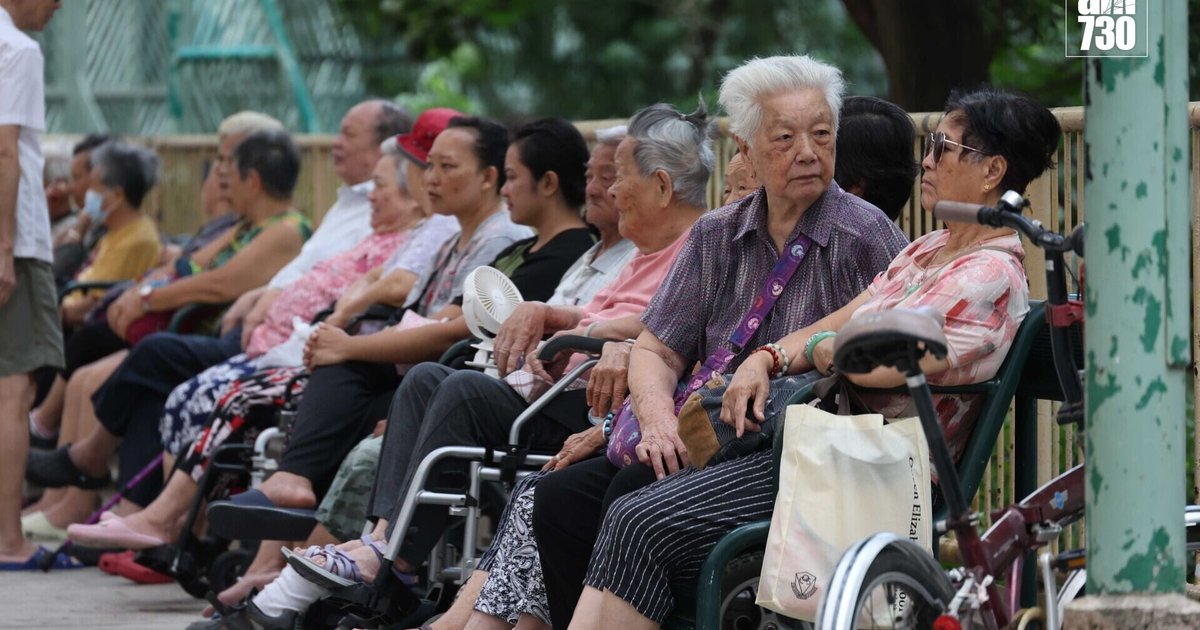
The Hong Kong government released its Response to Population Aging Report on September 18, proposing 73 countermeasures across 11 policy domains. Official projections show the elderly population reaching 2.74 million by 2046, exceeding one-third of total residents, with the elderly dependency ratio climbing from 382 to 632 per 1,000 working-age persons. The report introduces a pilot scheme to import foreign domestic caregivers with specialized elderly care training and a minimum three years of experience, earning 10-20 percent above standard helper wages. Deputy Chief Secretary Cheuk Wing-hing said the inter-departmental task force, established in November 2025, delivered a comprehensive blueprint combining innovative new measures with refined existing approaches.
Key Points
- Elderly population is projected to reach 2.74 million by 2046, exceeding one-third of total residents, with the elderly dependency ratio rising from 382 to 632 per 1,000 workers
- The Primary Healthcare Authority will integrate elderly health center services into the District Health Network, expanding to over 100 service points by 2028, while a community pharmacy program launches by end of 2026
- Foreign domestic caregivers must have at least three years' elderly care experience and certified training equivalent to residential care health workers, earning 10-20 percent above helper minimum wage
- The Labour and Welfare Bureau proposes adding 3,000 subsidized residential care places by end of 2030, bringing the total to approximately 43,000, while piloting government-built homes for private operators
- The Civil Service Bureau has conducted an in-depth review of civil servant retirement age, concluding that further delay is not advisable at this stage
Why It Matters
Hong Kong faces an unprecedented demographic transformation that will fundamentally reshape healthcare demand, pension sustainability, and labor market dynamics within two decades. The proposed measures signal a strategic shift from institutional elderly care toward community-based support systems, while the foreign caregiver pilot directly addresses widespread concerns about the quality of home-based elderly care—currently, most foreign domestic helpers lack certified geriatric training despite routinely caring for aging employers. These coordinated policies aim to give families genuine choice in care arrangements while ensuring the healthcare system can absorb sharply rising demand .
Hong Kong faces an unprecedented demographic transformation that will fundamentally reshape healthcare demand, pension sustainability, and labor market dynamics within two decades. The proposed measures signal a strategic shift from institutional elderly care toward community-based support systems, while the foreign caregiver pilot directly addresses widespread concerns about the quality of home-based elderly care—currently, most foreign domestic helpers lack certified geriatric training despite routinely caring for aging employers. These coordinated policies aim to give families genuine choice in care arrangements while ensuring the healthcare system can absorb sharply rising demand .