Aromatherapy Nanoparticles Match Car Exhaust Levels, Raising Health Concerns
Bastillepost · 1 SOURCESabout 3 hours ago2 MIN
Summary
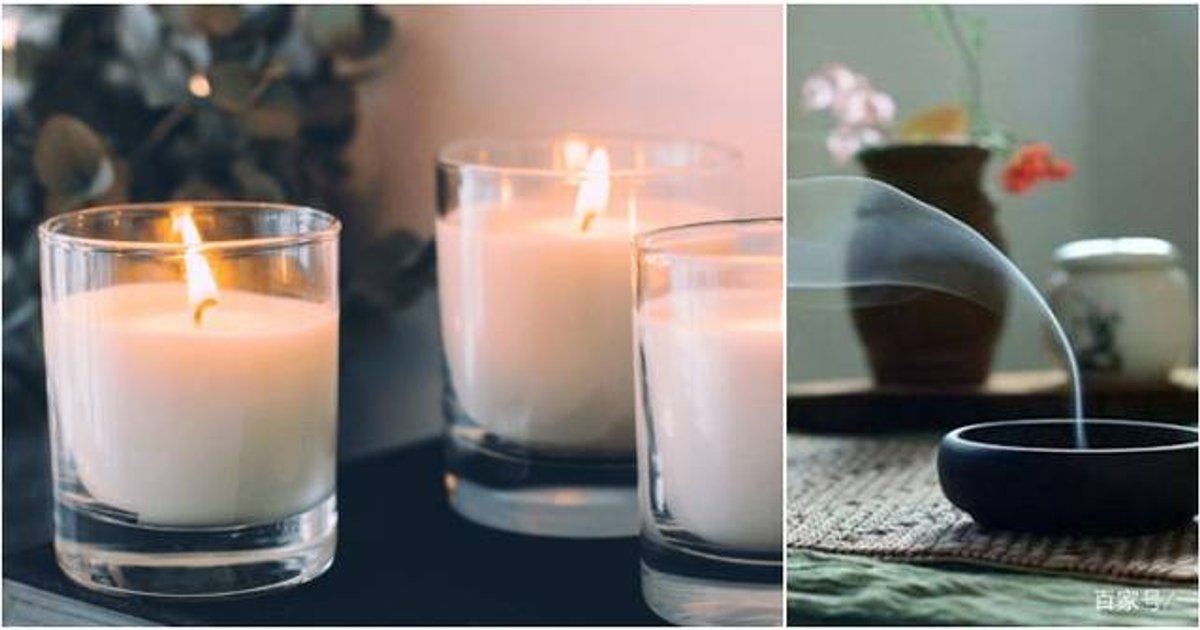
Many Hong Kong residents use scented candles or flame-free diffusers to unwind after a long workday. However, research has uncovered that these everyday aromatherapy products release indoor air pollutants at levels comparable to vehicle exhaust. A Purdue University environmental engineering team published their findings in Environmental Science & Technology Letters, revealing that nanoparticle concentrations from aroma blocks and candles can reach up to 1 million particles per cubic centimeter. These ultrafine particles, approximately 25 times smaller than PM2.5, can penetrate deep into the lungs, enter the bloodstream, and accumulate in vital organs including the liver and kidneys. Experts caution that prolonged exposure is akin to slow poisoning, with heightened risks for vulnerable populations such as pregnant women, infants, elderly individuals, and those with chronic illnesses.
Key Points
- Purdue University researchers tested flame-free aroma blocks and scented candles, finding indoor particle concentrations as high as 1 million per cubic centimeter, matching levels from gas stoves and diesel engines .
- The released nanoparticles measure between 1.18 to 100 nanometers in diameter, making them over 25 times smaller than PM2.5 particulate matter .
- Due to their minute size, these particles can breach the respiratory defense system, reach the deepest lung alveoli, and cross into the bloodstream via capillaries .
- Once in circulation, nanoparticles accumulate in organs such as the liver and kidneys, potentially causing long-term damage to these vital filtration systems .
- Even products marketed as "purely natural plant-based" aromatherapy generate particles and volatile organic compounds when heated, burned, or volatilized .
Why It Matters
This research has significant implications for Hong Kong's densely populated urban environment, where indoor air quality directly affects millions of residents. Given that many Hong Kong households regularly use aromatherapy products in relatively small living spaces, the cumulative health impact could be substantial. Public health authorities may need to issue updated guidelines on indoor air safety, particularly for families with high-risk members who require special protection from airborne pollutants .
This research has significant implications for Hong Kong's densely populated urban environment, where indoor air quality directly affects millions of residents. Given that many Hong Kong households regularly use aromatherapy products in relatively small living spaces, the cumulative health impact could be substantial. Public health authorities may need to issue updated guidelines on indoor air safety, particularly for families with high-risk members who require special protection from airborne pollutants .