Calligraphy contest closes with cross-generational praise
SingTao · 1 SOURCESabout 5 hours ago5 MIN
Summary
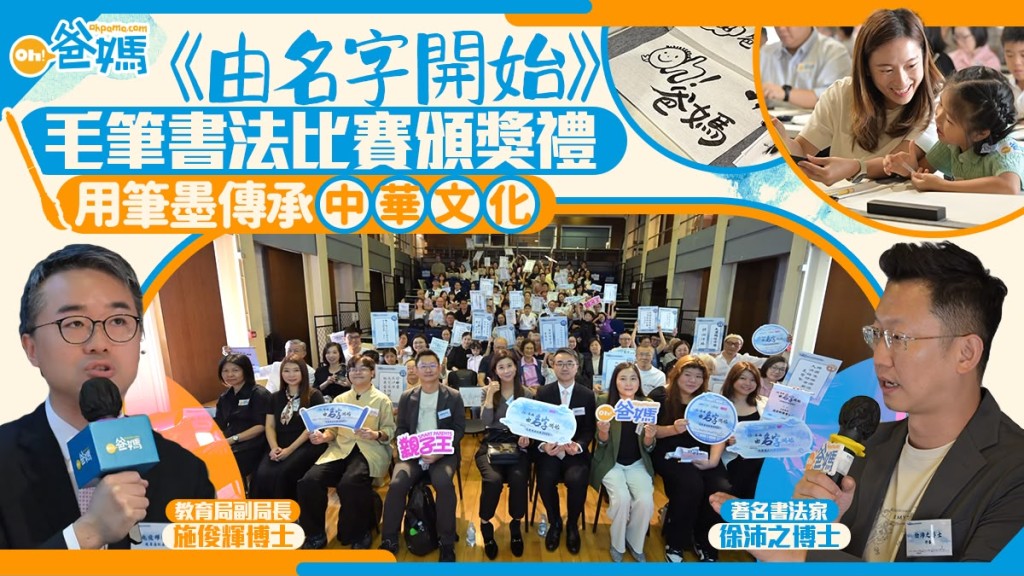
The fifth “Starting From Your Name” Chinese brush calligraphy competition held its closing ceremony and prize presentation on October 24, drawing school representatives, parents, students and older participants to a warm, well-attended event. Deputy Secretary for Education Dr Sze Chun-fai (施俊輝), calligrapher Dr Tsui Pui-chi (徐沛之) and veteran calligraphy teacher Ms Wong Kwai-han (黃桂嫻) attended to officiate and present awards. Organisers said the competition continued its long-running idea of beginning with a child’s own name, using brush writing to build patience, aesthetic sense and Chinese character writing ability. This year’s edition also linked calligraphy with Hong Kong’s declared monuments and added a new 50-plus evergreen division to encourage intergenerational cultural transmission
Key Points
- The competition reached its fifth year and kept its core theme of “starting from writing one’s own name” to cultivate focus, patience and appreciation of Chinese characters
- This year’s subtitle focused on understanding Hong Kong’s declared monuments, and an “Oh! Heritage Tour” let families visit sites and write monument names in ink
- In his speech, Dr Sze said brush calligraphy embodies centuries of Chinese wisdom, and praised winners for concentration, technique and memorable work
- Dr Sze said the Education Bureau supports calligraphy through primary Chinese curriculum guidance, values education, school resources and a HK$300,000 one-off Chinese culture grant for each public and DSS school
- Dr Tsui advised learners to study major historical calligraphers and choose practice paper by script style, saying grid paper suits regular and clerical scripts better than running or cursive styles
Why It Matters
For Hong Kong families, the event shows how cultural education can move beyond classrooms by combining handwriting, heritage learning and family participation across generations. The new 50-plus division and parent-child entries also suggest that traditional arts can serve as a shared activity linking children, parents and grandparents, rather than a niche school exercise