Lingnan study warns cockpit AI can raise pilot fatigue
SingTao · 1 SOURCESabout 8 hours ago5 MIN
Summary
Lingnan University researchers studying AI in aviation cockpits found that blindly increasing automation, including allowing AI to take over during emergencies, may reduce operators’ control and raise psychological fatigue . Using a NASA-developed multitask simulation platform, the team examined how humans and AI share decision-making and control under different workload conditions . The experiments showed shared control can ease pressure during sudden workload spikes, but long periods of AI intervention may detach pilots from active operations and make it harder to recover situational awareness when control is handed back . The researchers say stronger AI capability makes human-machine interaction more, not less, important for flight safety .
Key Points
- The study was led by Lingnan University Cognitive Science Research Centre director and psychology associate professor 徐杰, focusing on cockpit human-AI interaction risks .
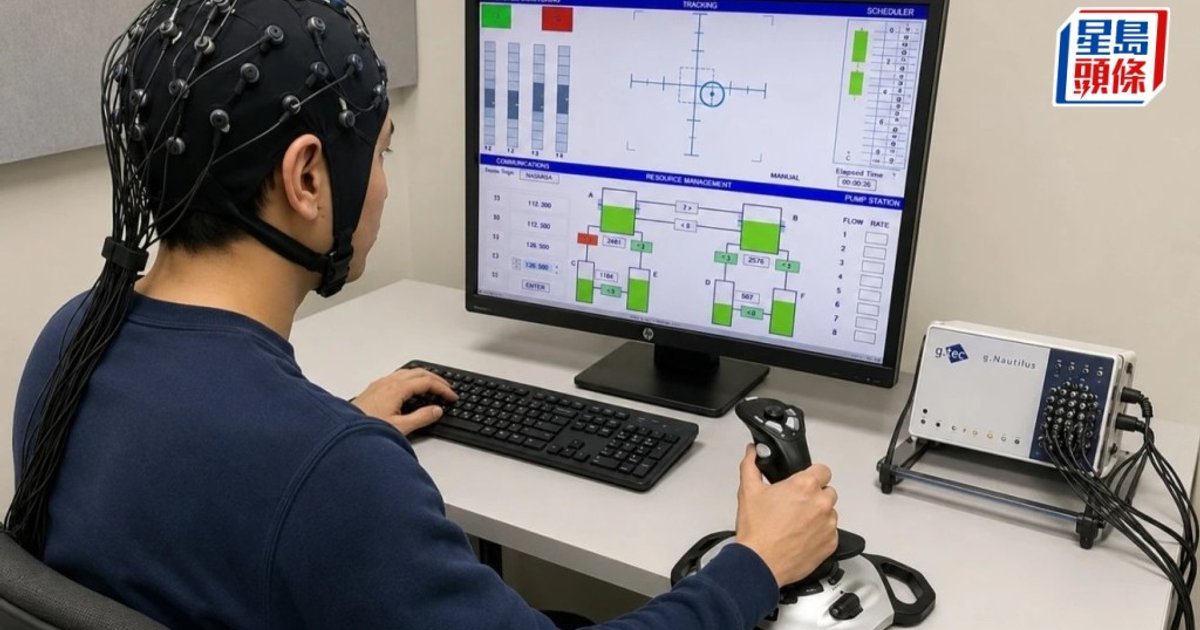
- Researchers recruited 92 university students for two experimental rounds on a NASA multitask simulation platform modeling cockpit-style multitasking and divided attention .
- Participants simultaneously performed joystick tracking, system monitoring, and resource management tasks to simulate operators handling several cockpit duties at once .
- In the second round, human-led handover was compared with shared-control mode, where AI proactively took over or returned parts of tasks .
- Shared control reduced overload during emergencies, but longer use increased fatigue and could delay pilots’ recovery of situational awareness after handback .
Why It Matters
The findings speak directly to aviation safety as cockpit AI expands from route optimization, information integration, and decision support toward more active functions such as digital co-pilots and adaptive automation . The study suggests the key benchmark is not maximizing automation, but preserving team performance, authority clarity, situational awareness, and safe transitions between human and machine control .