Mbappe China Backlash Shows Meme Politics Cost
HK01 · 3 SOURCES1 day ago2 MIN
Summary
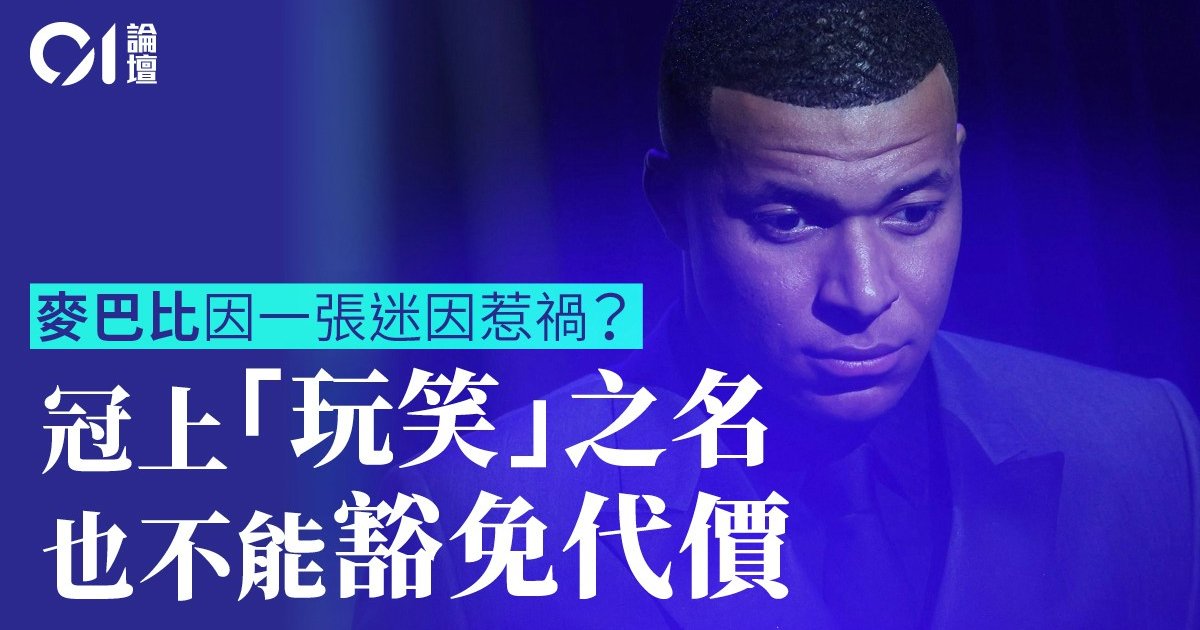
Kylian Mbappe was drawn into a political and commercial storm after discussing a meme image that placed his face onto a portrait of Mao Zedong, with the controversy erupting on mainland Chinese social media on October 27. The fallout moved rapidly beyond online criticism: Chinese football platform Dongqiudi said it would not translate the remarks, while Dongpeng Beverage and Mengniu ended their partnerships with him and other brands were reported to have removed related promotional material. A later report said China Central Television stopped airing La Liga and matches involving Mbappe, while French Football Federation president Philippe Diallo said Mbappe had no intention of insulting or offending the Chinese people and had already apologized publicly. Commentators in the supplied sources frame the episode as a test of how meme culture, political symbolism and cross-border commercial risk collide in the China market.
Key Points
- HK01 said the controversy intensified on October 27 after mainland social platforms reacted strongly to Mbappe’s discussion of a meme combining his face with Mao Zedong’s image
- Dongqiudi announced it would not translate the relevant remarks, saying they harmed China and the Chinese people, a move HK01 said became part of the story itself
- Dongpeng Beverage and Mengniu both announced the end of their partnerships with Mbappe, showing the dispute had moved from online anger into concrete commercial consequences
- Sing Tao reported that China Central Television halted broadcasts of La Liga and matches involving Mbappe, while Philippe Diallo sought to cool tensions in comments published on October 31
- Citing the Financial Times via Caijing, Sing Tao said Mbappe earned nearly 22 million euros a year from endorsements in China, about 38% of his commercial income
Why It Matters
For Hong Kong readers, the episode is a reminder that global sports stars and brands can face immediate business consequences when comments made in one cultural setting are received very differently in another. It also raises a practical media question: when platforms choose not to translate disputed remarks, audiences may be left with outrage and summaries rather than the full context needed to judge the original words for themselves