Public Housing Tenants Spark Debate Over Mandatory Unit Restoration Costs
SingTao · 1 SOURCES1 day ago2 MIN
Summary
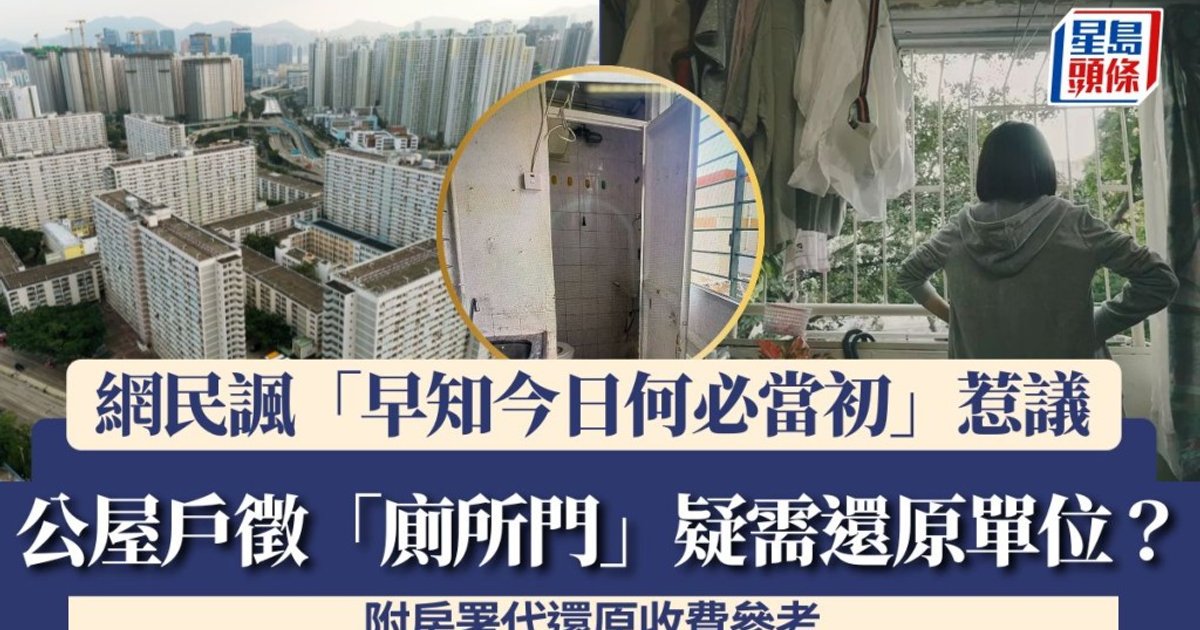
A viral social media post by a Hong Kong public housing tenant seeking an old-style iron toilet door has sparked widespread debate about tenant renovation practices and restoration obligations. The tenant appeared to need the door to restore their unit to its original condition before moving out, prompting netizens to comment "if you knew this would happen, why did you do it in the first place." The incident highlights ongoing tensions between public housing tenants' desire for home improvements and the Housing Authority's strict restoration requirements.
Key Points
- A public housing tenant posted on social media seeking an old-style iron toilet door, likely for unit restoration before moving out
- The unit's layout suggests it belongs to an older public housing estate such as Lung Hang Estate or Choi Hung Estate
- Netizens criticized the tenant with remarks like "if you knew this would happen, why did you do it in the first place" and questioned modifications by non-owners
- Some commenters noted that this iron door style no longer exists in Housing Authority inventories, as only Y-type estate toilet doors remain
- Under Housing Committee guidelines, tenants must restore all fixed installations at their own expense or face deposit deductions for cleaning and administrative fees
- Housing Department restoration fees include $3,351 for a solid kitchen door with frame and $1,500 for a bathroom wooden door with frame
Why It Matters
This incident underscores the ongoing friction between public housing tenants' expectations for personalized living spaces and the Housing Authority's imperative to maintain standardized units for future residents. With housing costs rising in Hong Kong, such restoration disputes may intensify as more tenants navigate the balance between home improvements and regulatory compliance .
This incident underscores the ongoing friction between public housing tenants' expectations for personalized living spaces and the Housing Authority's imperative to maintain standardized units for future residents. With housing costs rising in Hong Kong, such restoration disputes may intensify as more tenants navigate the balance between home improvements and regulatory compliance .