US-Iran Tensions, Rising Yields Drag US Stocks Lower; Nasdaq Falls Over 1%
On.cc · 2 SOURCESabout 4 hours ago2 MIN
Summary
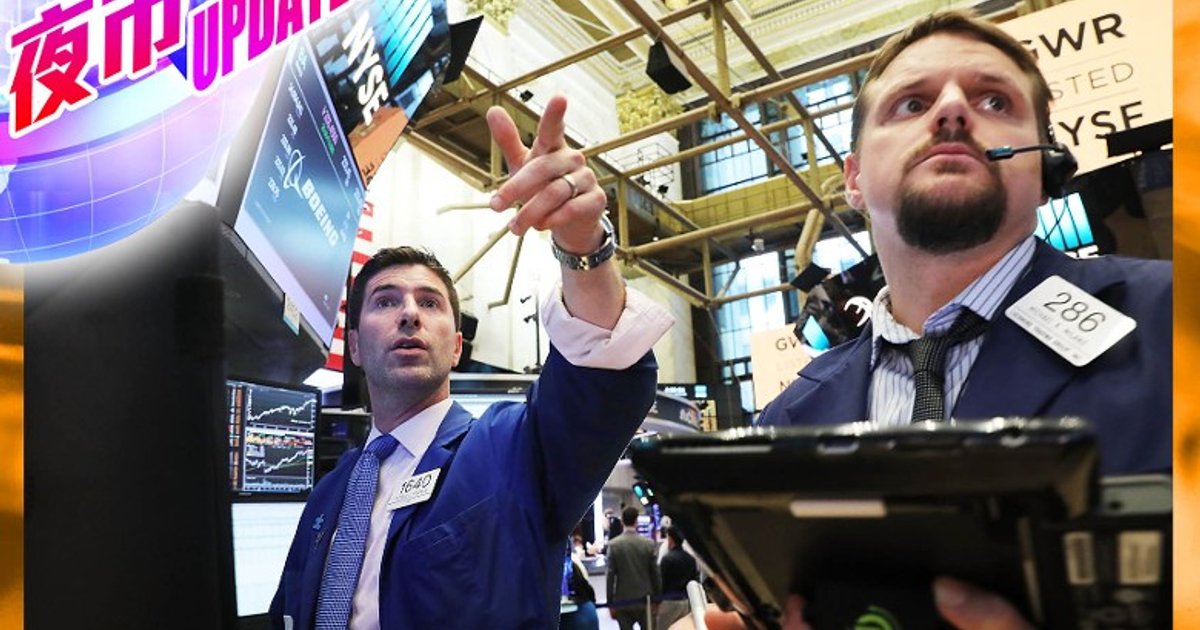
US stock markets opened September's first trading session under pressure on Tuesday, as ongoing US-Iran military conflict pushed crude oil prices back to mid-June highs while a sharp rise in Treasury yields rekindled inflation and interest rate concerns. The 10-year US Treasury yield climbed to 4.802%, reaching its highest level in nearly 21 months since January 2025 . The technology-heavy Nasdaq Composite fell more than 1% in early dealings, while the Dow Jones Industrial Average shed over 200 points. Market strategists warned that the combination of geopolitical instability and elevated bond yields poses risks to the AI-driven global equity rally.
Key Points
- The 10-year US Treasury yield spiked to 4.802%, marking a 21-month high since January 2025; the 30-year yield held above 5% for the longest stretch since 2006
- As of 9:40 PM Hong Kong time, the Dow Jones Industrial Average fell 216 points (0.4%) to 52,969; the Nasdaq declined 348 points (1.3%) to 26,022; the S&P 500 dropped 52 points (0.7%) to 7,633
- BlackRock Investment Institute strategists warned that global equity dividend yields are only about 10% higher than 3-month US Treasury yields, reducing the relative appeal of stocks
- Oxford Economics chief economist Nancy Vanden Houten noted that inflation risks, geopolitical uncertainty, and record borrowing will continue to push long-term yields higher
- AI hyperscaler investment-grade bond issuance in the US has surpassed $100 billion this year, more than double the 2025 total, raising concerns about financing costs
Why It Matters
The simultaneous surge in oil prices and Treasury yields creates a challenging environment for both corporate earnings and valuation multiples. The Federal Reserve faces mounting pressure as energy-driven inflation could delay interest rate cuts, while higher discount rates directly compress the present value of future tech earnings—particularly significant for Hong Kong investors with exposure to US tech-heavy indices and technology sector ADRs . Geopolitical tensions and yield movements will continue to dominate short-term direction as investors await Federal Reserve officials' speeches and upcoming economic data for clues on the policy path.
The simultaneous surge in oil prices and Treasury yields creates a challenging environment for both corporate earnings and valuation multiples. The Federal Reserve faces mounting pressure as energy-driven inflation could delay interest rate cuts, while higher discount rates directly compress the present value of future tech earnings—particularly significant for Hong Kong investors with exposure to US tech-heavy indices and technology sector ADRs . Geopolitical tensions and yield movements will continue to dominate short-term direction as investors await Federal Reserve officials' speeches and upcoming economic data for clues on the policy path.