Hong Kong Gymnasts Set for Historic Nagoya Asian Games Showcases
Crhk · 1 SOURCES1 day ago2 MIN
Summary
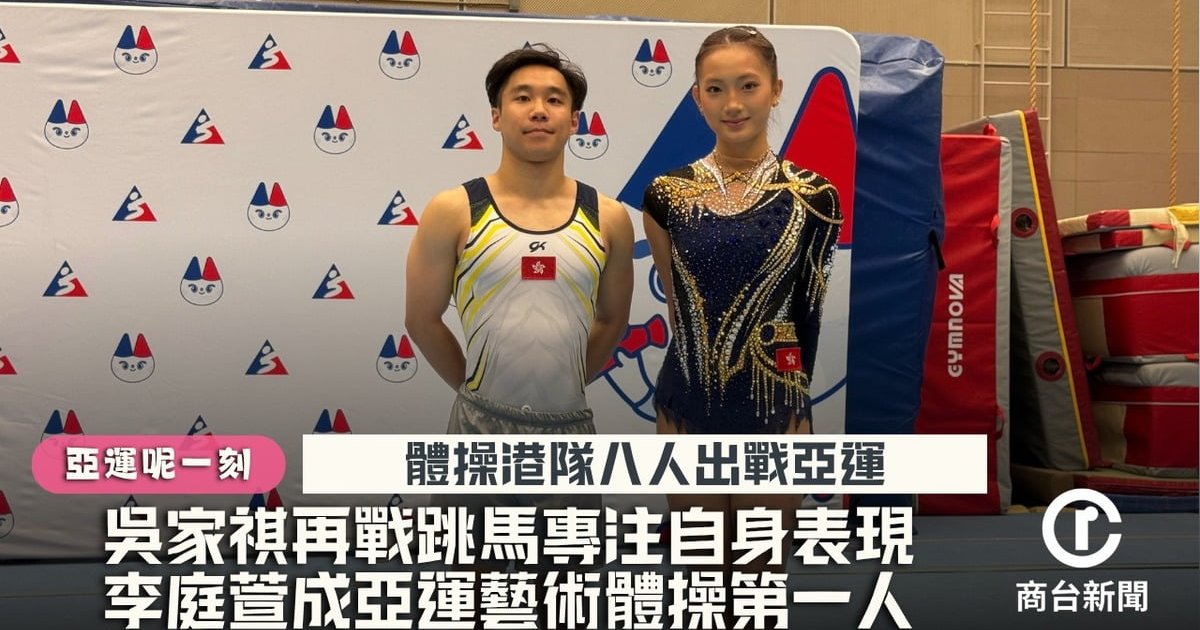
Hong Kong's gymnastics team is preparing for the Nagoya Asian Games with a mix of experience and history-making potential. Reigning men's vault seventh-place finisher Ng Ka-kei is making his return to the Asian Games stage after recovering from a February calf muscle tear that initially threatened his participation. Meanwhile, 18-year-old Lee Ting-hsuan is set to become the first Hong Kong athlete to ever compete in rhythmic gymnastics at the Asian Games when she contests the women's individual all-around event.
Key Points
- Ng Ka-kei finished seventh in men's vault at the previous Asian Games and is competing in his second Asian Games appearance
- Ng suffered a calf muscle tear in February 2026, raising concerns about his Asian Games participation, but recovered in time to qualify at the Asian Championships
- Ng faces strong competition from gymnasts from mainland China, Japan, and the Philippines, and has set no specific ranking target, focusing instead on executing a safe and smooth routine
- Lee Ting-hsuan, 18, will compete in the women's individual all-around rhythmic gymnastics event, marking the first time a Hong Kong athlete has competed in this discipline at the Asian Games
- The Gymnastics Association of Hong Kong, China has highlighted recent breakthroughs in rhythmic gymnastics and aims to develop athletes capable of qualifying for the Olympic Games
Why It Matters
The participation of both athletes underscores Hong Kong's growing competitiveness in gymnastics disciplines traditionally dominated by Asian gymnastics powerhouses, while Lee's historic debut signals a new era for rhythmic gymnastics development in the city. The success of these athletes could influence future funding and infrastructure investments for gymnastics programs, particularly given ongoing challenges with training facilities in Kwun Tong .
The participation of both athletes underscores Hong Kong's growing competitiveness in gymnastics disciplines traditionally dominated by Asian gymnastics powerhouses, while Lee's historic debut signals a new era for rhythmic gymnastics development in the city. The success of these athletes could influence future funding and infrastructure investments for gymnastics programs, particularly given ongoing challenges with training facilities in Kwun Tong .