Air India Flight Incident: Captain Tests Positive for Cannabis After Sudden 91-Meter Drop
AM730 · 2 SOURCESabout 2 hours ago2 MIN
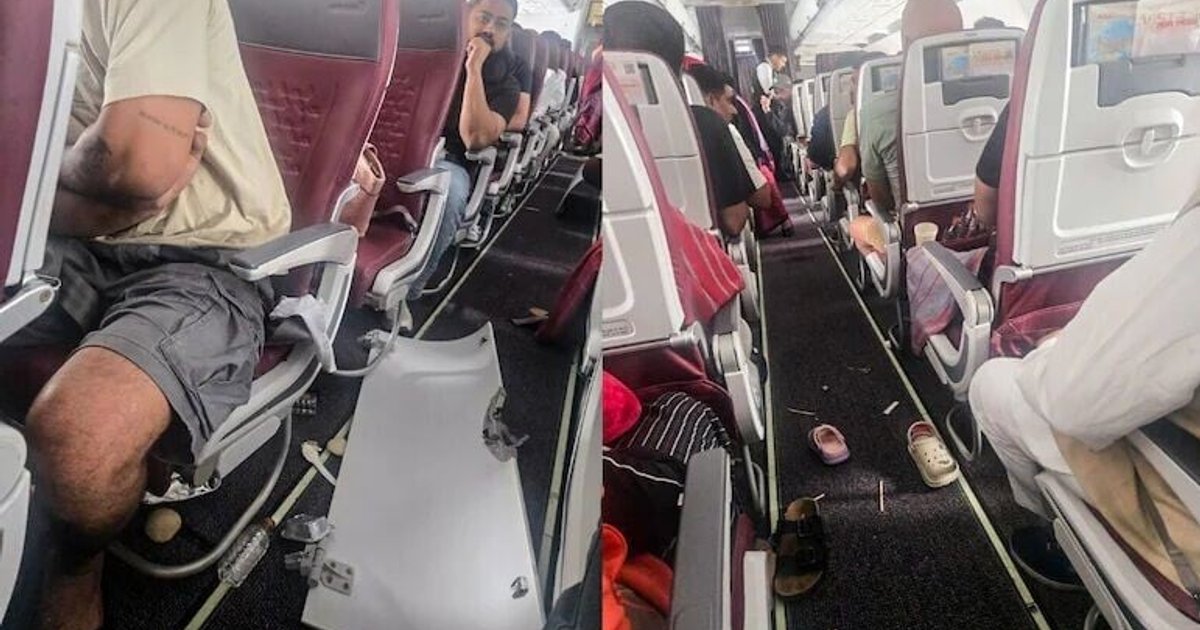
Summary
An Air India flight en route from Phuket, Thailand to New Delhi experienced a dramatic sudden drop of approximately 91 meters on August 4, 2026, resulting in 17 to 24 injuries among passengers and crew . The Directorate General of Civil Aviation (DGCA) has classified the incident as a "serious accident" and India's Aircraft Accident Investigation Bureau (AAIB) has initiated a formal investigation . Shocking details emerged when drug tests confirmed the captain had consumed cannabis before the flight, raising serious questions about aviation safety protocols .
Key Points
- The Air India Airbus A320 was carrying 137 passengers and 8 crew members when it encountered sudden turbulence lasting approximately 5 minutes, causing the aircraft to plunge about 91 meters near the end of the flight
- The captain was not at the controls when the incident occurred; he was standing behind the first officer discussing an air conditioning issue while the first officer was piloting the aircraft
- When the autopilot disconnected and the aircraft's nose pitched upward, the first officer responded to a stall warning by pushing the nose down, creating a negative-G force that sent the aircraft into a sudden dive
- Both pilots have been suspended from flying duties during the investigation, with the captain testing positive twice for cannabis and reportedly being treated with medication for insomnia
- Air India confirmed the incident involved "sudden weightlessness" and stated it has notified the aircraft manufacturer and is fully cooperating with authorities
Why It Matters
This incident exposes potential failures in pre-flight screening protocols for pilots and highlights the critical importance of robust drug and alcohol testing in aviation . The revelation that a captain under medication for insomnia and who had consumed cannabis was operating a commercial aircraft with 145 lives on board raises urgent questions about pilot fitness evaluation systems globally .
This incident exposes potential failures in pre-flight screening protocols for pilots and highlights the critical importance of robust drug and alcohol testing in aviation . The revelation that a captain under medication for insomnia and who had consumed cannabis was operating a commercial aircraft with 145 lives on board raises urgent questions about pilot fitness evaluation systems globally .