Construction Workers Push for Mandatory Heat Protection After Rising Heatstroke Deaths
HK01 · 1 SOURCESabout 1 hour ago2 MIN
Summary
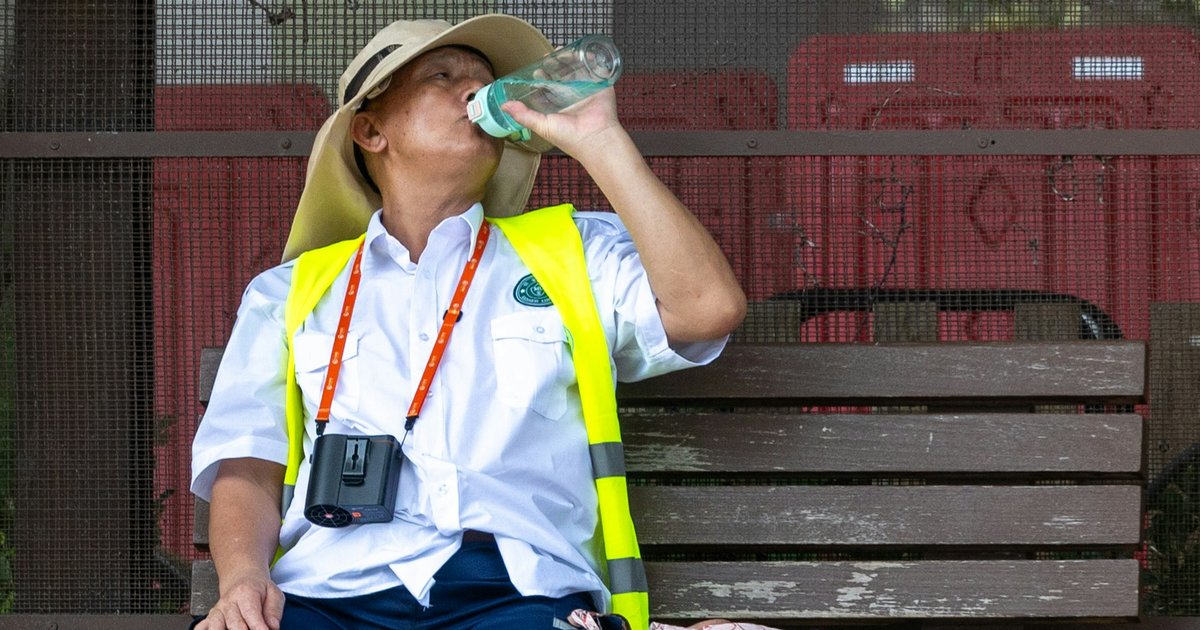
Hong Kong's construction industry is calling for urgent government action on heat protection as heatstroke deaths among workers rise. The Labour Department and Hong Kong Observatory are reviewing the Work Heat Stress Warning mechanism, with industry leaders proposing mandatory employer-provided cooling equipment and legislative changes to better protect outdoor workers.
Key Points
- Hong Kong Construction Industry General Workers Union Chairman Zhou Sijie reports workers experiencing severe heatstroke, with some crews seeing five out of seven workers affected
- The Labour Department and Observatory experts are discussing improvements to the Work Heat Stress Warning system, targeting an announcement before month-end
- Labour Federation Vice Chairman Lam Chun-sheng recommends listing heatstroke as a statutory occupational disease under the Employees' Compensation Ordinance
- Former Observatory Director Lam Chiu-ying proposes adopting the Wet Bulb Globe Temperature index and referencing Mainland standards, with mandatory work stoppage at 40 degrees Celsius
- Northern Metropolis construction zones face particularly high temperatures, creating urgent need for improved heat protection measures
Why It Matters
With Hong Kong experiencing increasingly extreme summer temperatures, these proposals could fundamentally reshape labour protections for the city's outdoor workers. The outcome of the ongoing review will determine whether employers face legal obligations to provide cooling equipment and whether workers gain stronger compensation rights for heat-related injuries.
With Hong Kong experiencing increasingly extreme summer temperatures, these proposals could fundamentally reshape labour protections for the city's outdoor workers. The outcome of the ongoing review will determine whether employers face legal obligations to provide cooling equipment and whether workers gain stronger compensation rights for heat-related injuries.