Lawmakers Question Validity of Hong Kong's Rat-Free Percentage Amid Persistent Sightings
On.cc · 1 SOURCESabout 4 hours ago6 MIN
Summary
Hong Kong's Food and Environmental Hygiene Department (FEHD) has reported that the territory achieved a 96.4 percent "rat-free percentage" in the first half of this year, according to surveys conducted using thermal imaging cameras equipped with artificial intelligence . The figure represents a slight improvement, with Mong Kok district reaching 98.7 percent and Yau Tsim district hitting 98.5 percent, increases of 1.8 and 4 percentage points respectively compared to the latter half of last year . However, the methodology behind these figures is now under scrutiny from legislators and pest control professionals who argue the calculation method fails to capture the true scale of Hong Kong's ongoing rat infestation problem.
Key Points
- The FEHD has been using thermal imaging cameras with AI since 2024, conducting surveys at approximately 120 locations every six months to assess rodent activity across different districts
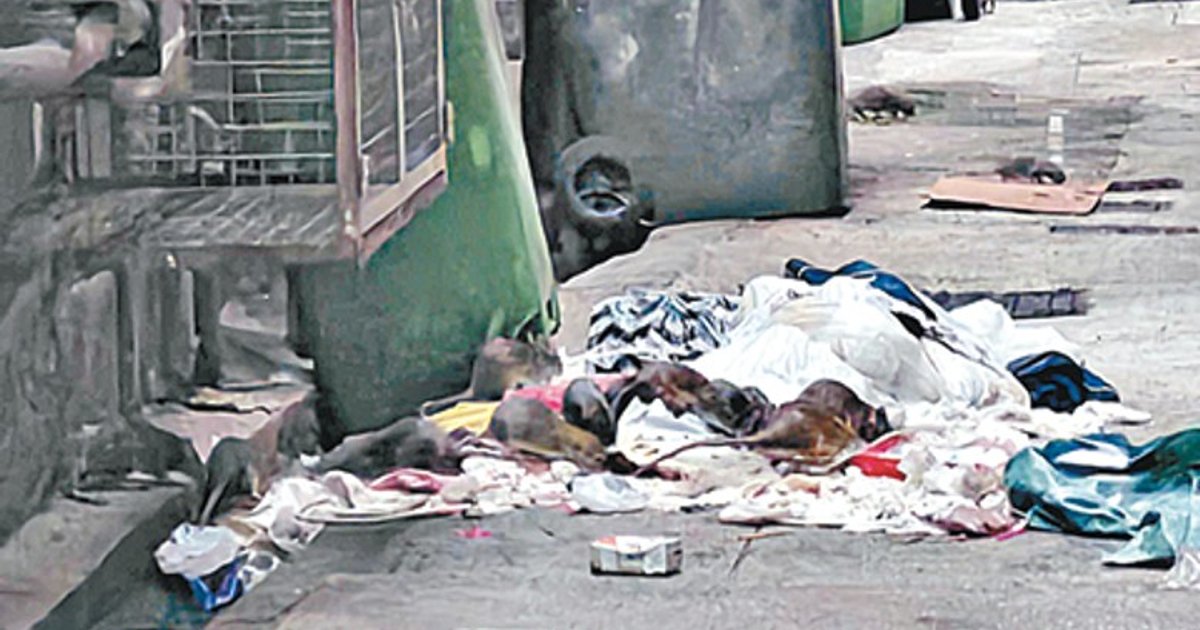
- Legislator Chan Hoi-yan (陳凱欣) criticizes the calculation method, noting that a single photograph capturing 20 rats counts identically to one showing just a single rodent, potentially underestimating the severity of infestations
- Wong Si-kit (黃詩傑), a committee member of the Hong Kong Pest Control Practitioners Association, explains that thermal cameras are exclusively deployed in public areas under government jurisdiction, leaving private properties and non-government managed spaces unassessed
- The rat-free percentage is calculated as the number of thermal imaging photographs without any rat sightings divided by the total number of photographs taken during the survey period
- Despite the seemingly positive statistical results, residents in various districts continue to report frequent rat sightings, contradicting the official figures that suggest near-elimination of the problem
Why It Matters
The discrepancy between official statistics and residents' lived experiences highlights a potential gap between government performance metrics and actual public health conditions. If the current methodology systematically undercounts rat populations, resource allocation for pest control may be misdirected, leaving communities with inadequate protection against disease-carrying rodents. Additionally, the incomplete coverage of surveillance areas means that private property rat problems remain invisible in official data, potentially leaving vulnerable populations at risk.
The discrepancy between official statistics and residents' lived experiences highlights a potential gap between government performance metrics and actual public health conditions. If the current methodology systematically undercounts rat populations, resource allocation for pest control may be misdirected, leaving communities with inadequate protection against disease-carrying rodents. Additionally, the incomplete coverage of surveillance areas means that private property rat problems remain invisible in official data, potentially leaving vulnerable populations at risk.