Hung Fuk Court Residents Fear Missing September Ballot Over Title Transfers
On.cc · 1 SOURCESabout 21 hours ago2 MIN
Summary
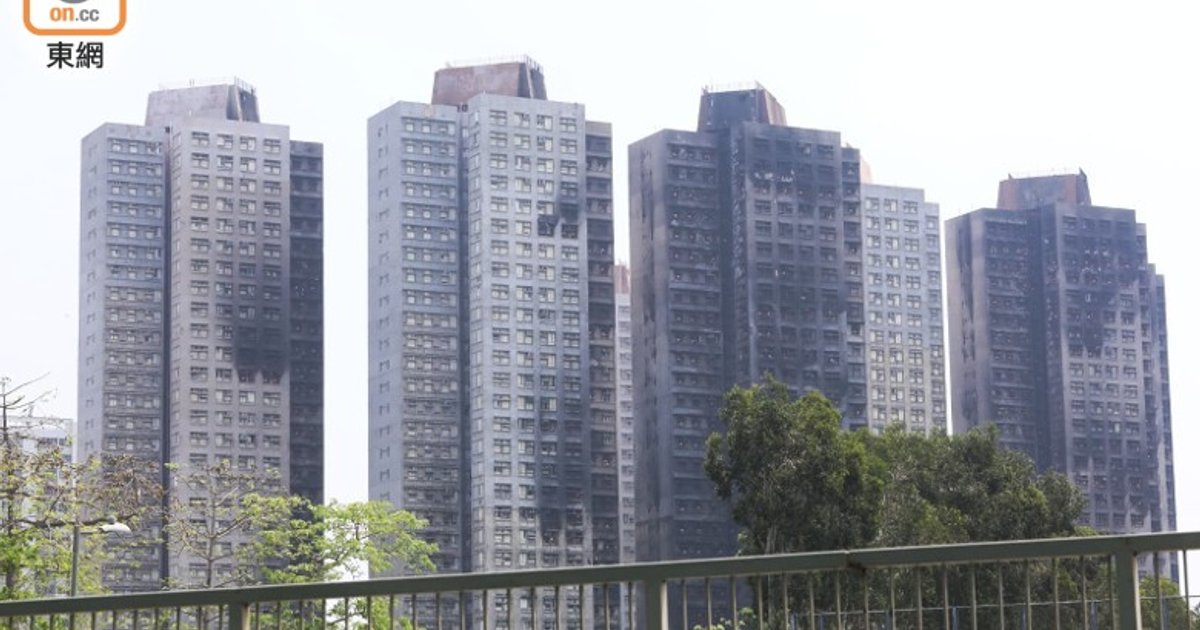
Some Hung Fuk Court residents have expressed concerns that they may be unable to participate in the September special housing sales ballot due to pending property title transfer procedures, including inheritance processing or name changes. The government has assured that owners who have returned acceptance letters can still join the ballot, with new units reserved for them during flat selection until title transfers are completed .
Key Points
- As of July 27, 90.8% of Hung Fuk Court owners had signed acquisition letters, while 53% had completed formal sale agreements with the government .
- Some residents face complications with inheritance administration or title transfers, causing confusion about sale requirements after consultation with lawyers and government explanation officers .
- Government explanation officers indicated that 45 to 90 days are needed to complete title transfer legal documentation after signing formal sale agreements .
- The government confirmed that owners with returned acceptance letters but unsigned sale agreements can still participate in the ballot by their assigned batch, with new units reserved during selection .
- Hong Kong Housing Authority and Housing Society will only sign purchase agreements for new units after the owner's Hung Fuk Court unit title is fully transferred to the government .
- Residents are awaiting announcement of third-round relocation arrangements and guidance on handling belongings left in units that cannot be moved .
- The government stated residents with special needs to retrieve items can request assistance through explanation teams or the one-household-one-social-worker scheme .
Why It Matters
This issue highlights the complex legal and administrative challenges facing residents displaced by building safety crises, demonstrating the government's efforts to balance procedural requirements with humanitarian accommodation needs. The flexible approach to ballot participation while maintaining legal safeguards for property transactions reflects the ongoing tension between efficient relocation and proper due process in large-scale housing interventions.
This issue highlights the complex legal and administrative challenges facing residents displaced by building safety crises, demonstrating the government's efforts to balance procedural requirements with humanitarian accommodation needs. The flexible approach to ballot participation while maintaining legal safeguards for property transactions reflects the ongoing tension between efficient relocation and proper due process in large-scale housing interventions.