Cyberattack on Supermarket Fridges Sweeps Across Europe, Destroying Food Supplies
Thestandard · 3 SOURCESabout 4 hours ago2 MIN
Summary
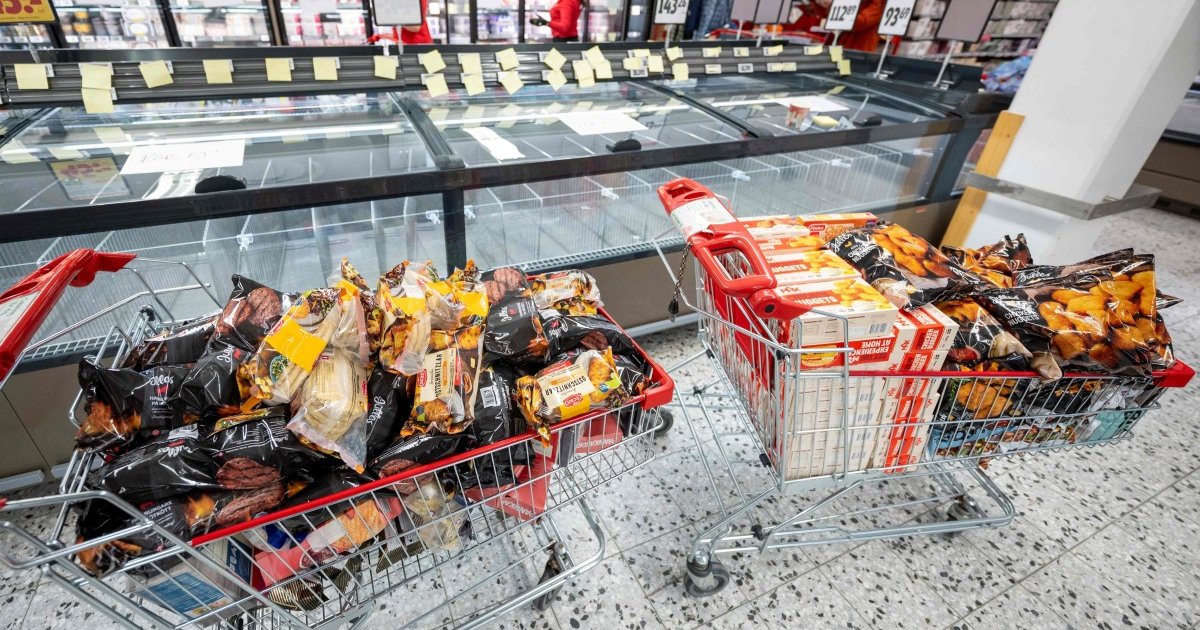
A sophisticated cyberattack struck supermarket refrigeration systems across Europe on Monday, affecting chains in Belgium, Luxembourg, and Sweden in an incident that security experts are linking to a similar attack in France last month. Hackers remotely manipulated cooling units, raising temperatures in refrigerators and freezers to dangerous levels, forcing retailers to dispose of massive amounts of perishable goods. The attacks highlight growing concerns about the security of Internet-connected appliances in commercial settings.
Key Points
- Major retailers Ahold Delhaize, Colruyt, ICA, Coop, and IKEA reported attacks on their refrigeration systems, with temperatures reaching 50°C
- The attack at one Stockholm ICA franchise occurred at 2am local time but was only discovered hours later, with sales manager Engla Ingwall saying "everything is destroyed"
- Belgian refrigeration company Sabcobel's CEO Stephan Moelans confirmed the incident was a cyberattack that switched evaporator units to defrost mode
- Five Spar stores operated by Colruyt Group in Belgium were among those affected, while Swedish authorities confirmed multiple refrigeration incidents nationwide
- Belgium's Centre for Cybersecurity warned that AI is now being used by sophisticated actors to exploit vulnerabilities in IT systems
Why It Matters
The attack demonstrates how cybercriminals are shifting from traditional data theft to targeting operational technology in critical infrastructure. From refrigeration and heating systems to security cameras and alarm networks, an expanding range of once-mechanical devices can now be controlled remotely, creating new vulnerabilities for businesses. Belgium's cybersecurity agency warned that the growing frequency of such incidents, combined with AI capabilities, poses an escalating threat that requires urgent attention from retailers and regulators alike
The attack demonstrates how cybercriminals are shifting from traditional data theft to targeting operational technology in critical infrastructure. From refrigeration and heating systems to security cameras and alarm networks, an expanding range of once-mechanical devices can now be controlled remotely, creating new vulnerabilities for businesses. Belgium's cybersecurity agency warned that the growing frequency of such incidents, combined with AI capabilities, poses an escalating threat that requires urgent attention from retailers and regulators alike