Hong Kong’s Split Malls Survive by Leaving Room
SingTao · 2 SOURCESabout 2 hours ago7 MIN
Summary
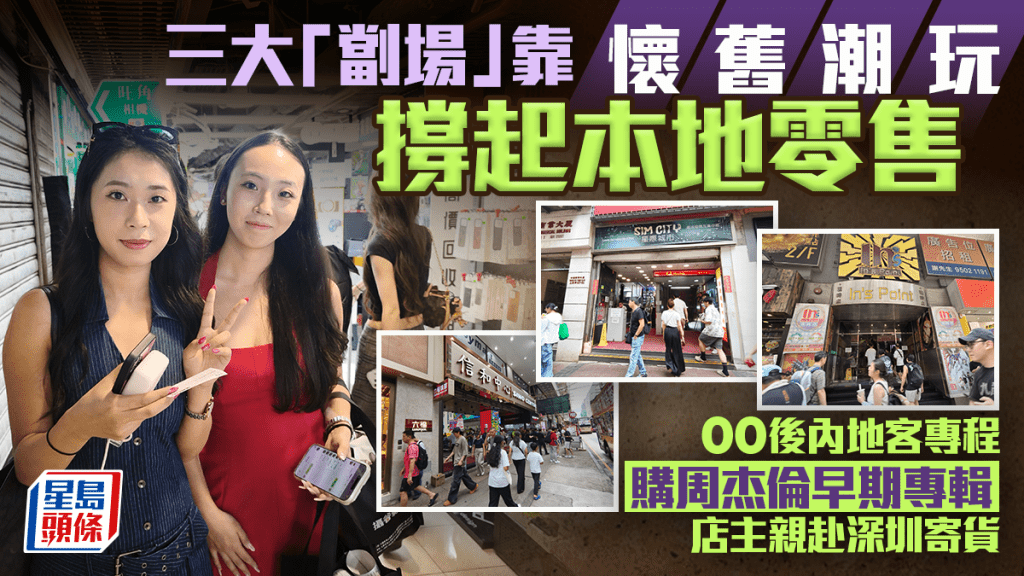
Hong Kong’s better-known “split malls” are not surviving on location alone. Sino Centre, Sim City and In’s Point have built repeat traffic by allowing larger shop sizes, clearer layouts and specialist tenant clusters, while demand for nostalgic collectibles from local shoppers and mainland visitors has given those themes fresh momentum.
Key Points
- Sing Tao reported that Sino Centre, Sim City and In’s Point became subculture destinations partly because their original owners did not subdivide units to the maximum, leaving room for themed retail to develop over time
- Capitol Centre in Tsim Sha Tsui was cited as a counterexample: about 20,000 square feet per floor was split into more than 200 units, and one 56-square-foot shop measured only about 20 square feet usable after thick walls
- By contrast, floors at In’s Point, Sino Centre and Sim City span roughly 8,000 to over 10,000 square feet but are divided into only about 35 to more than 50 shops, with many units above 100 square feet and some much larger
- In’s Point has become a toy, LEGO and now trading-card hub; shop owner Manman said he shifted from model cars to cards after sales weakened, and sold a full PSA 1-to-10 “Van Gogh Pikachu” set to a Southeast Asian buyer for HK$120,000 within a month
- Sino Centre now has more than 20 card shops, while basement CD and vinyl stores are drawing younger music fans; a 26-year-old visitor from Dalian spent HK$600 on four CDs including early albums by David Tao and Jay Chou
- Sim City, once hit by the smartphone era, has benefited from renewed demand for instant cameras and discontinued CCD digital cameras; retailer Cheng Chi-man (鄭志民) said a Canon G12 that sold for about HK$1,000 years ago in Apliu Street now fetches more than HK$8,000
- Midland IC&I’s senior sales director Cheng Tak-ming (鄭得明) said Sim City was so crowded during this year’s May Day holiday that police were called to maintain order, but he warned that some landlords then tried to raise rents sharply
- Centaline Commercial managing director Poon Chi-ming (潘志明) said all three malls benefited from strong locations, social-media exposure and stable niche tenant mixes, while tenants in themed malls can sometimes relocate within the same building with limited damage to regular business
Why It Matters
For Hong Kong retail, the reports point to a practical lesson: small-unit malls appear more resilient when subdivision is less extreme and tenants have enough space to display goods, test products and build a destination identity. The same model remains vulnerable if landlords respond to revived footfall with aggressive rent increases, which could drive out the specialist shops that created the recovery in the first place