TCM Explains Why Office Workers Crave Sweets in the Afternoon
Bastillepost · 1 SOURCESabout 2 hours ago2 MIN
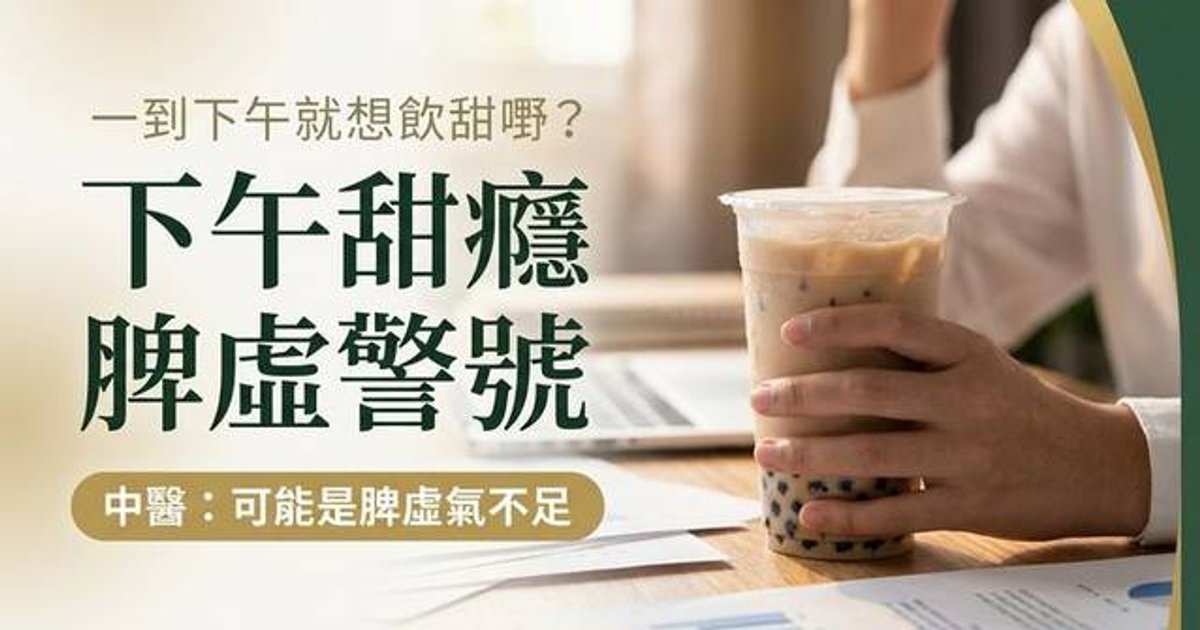
Summary
Many Hong Kong office workers experience sudden fatigue and sugar cravings around 3 to 4 p.m., even after a full lunch. While commonly attributed to work stress or tiredness, Traditional Chinese Medicine practitioners suggest this pattern may indicate underlying spleen deficiency and insufficient qi production.
Key Points
- Sugar cravings between 3-4 p.m. accompanied by fatigue, bloating, poor appetite, or loose stools may signal impaired spleen and stomach function .
- The World Health Organization recommends limiting free sugar intake to less than 10% of total daily calories, ideally below 5% or approximately 25 grams .
- TCM theory states that the spleen and stomach are the foundation for generating qi and blood; when weakened, the body seeks immediate energy from sweet tastes .
- Three distinct patterns explain afternoon sugar cravings: spleen qi deficiency (low energy), liver qi stagnation (stress-related), and phlegm-dampness accumulation (heaviness after sugar intake) .
- Recommended solutions include balanced meals with complex carbohydrates, warm drinks instead of iced beverages, and brief post-meal walks to improve qi circulation .
Why It Matters
This TCM perspective highlights how modern office lifestyles—including cold drinks, air-conditioned environments, and sedentary work patterns—may be damaging spleen function and creating dependency on sugar for energy . For Hong Kong's working population, addressing these root causes could reduce both healthcare costs and productivity losses from afternoon fatigue.