MTR Core Business Under Severe Test: Will Blind Expansion Lead to Ruin?
HK01 · 1 SOURCESabout 2 hours ago2 MIN
Summary
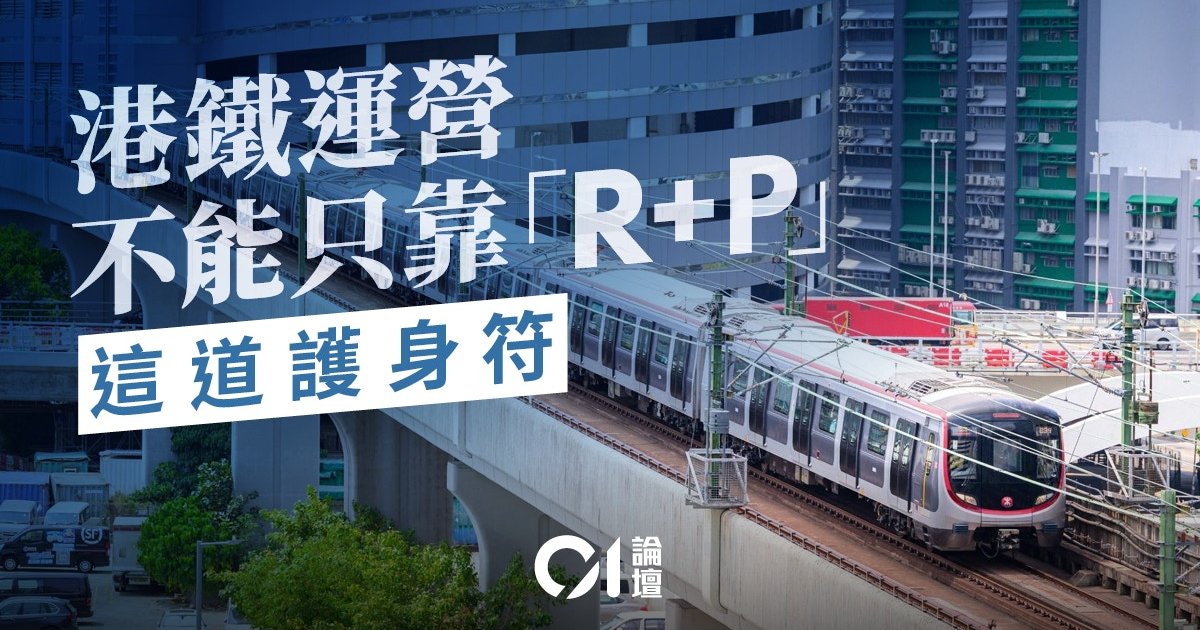
MTR Corporation's first-half results reveal a stark contrast between financial appearance and operational reality. While net profit surged to HK$15.87 billion due to one-off property development income, the company's core train operations posted a loss of HK$140 million. Consolidated debt soared over 90 percent in six months, from HK$88.9 billion to HK$170.4 billion. The article argues that MTR's governance has deteriorated, with overseas railway operations in Sweden and the UK lost in recent years, suggesting its rail-plus-property model is masking fundamental weaknesses. Critics question whether MTR should bid for new projects like the Kai Tak Smart Green Mass Transit System given its massive debt burden and capital expenditure commitments.
Key Points
- MTR's net profit reached HK$15.87 billion in first half, boosted by one-off property development income, with net debt ratio at 21.7%
- Core train operations recorded a loss of HK$140 million, reversing from a HK$98 million profit in the same period last year
- Total debt surged to HK$263.88 billion by June, jumping 44.6% from HK$182.48 billion at year-end, with consolidated debt rising 90% in just six months
- Capital expenditure pressure is immense: HK$84.8 billion planned for 2026-2028, with seven new railway projects requiring HK$140 billion
- MTR's heavy rail network expanded from 82 to 99 stations since 2010, with approximately 20 more planned under the Northern Metropolis initiative
- Overseas operations have contracted: MTR lost the Elizabeth Line concession in the UK to a Japanese railway company in 2024, and all four Swedish rail operating rights were surrendered
Why It Matters
As a company majority-owned by the Hong Kong government with over 70% shares, MTR's governance directly affects millions of daily commuters. The company's market share in public transport has stagnated around 50% despite massive investment in new stations, raising questions about cost efficiency. With MTR now bidding for the Kai Tak Smart Green Mass Transit System while carrying heavy debt burdens, critics warn that expanding further without fixing core operational issues may harm rather than serve public interest .
As a company majority-owned by the Hong Kong government with over 70% shares, MTR's governance directly affects millions of daily commuters. The company's market share in public transport has stagnated around 50% despite massive investment in new stations, raising questions about cost efficiency. With MTR now bidding for the Kai Tak Smart Green Mass Transit System while carrying heavy debt burdens, critics warn that expanding further without fixing core operational issues may harm rather than serve public interest .