Waste paper trade squeezed as prices slump
HK01 · 2 SOURCESabout 3 hours ago6 MIN
Summary
Hong Kong’s waste paper chain is facing a sharp adjustment after the government shifted to full local pulping from October, leaving some upstream baling plants unable to export waste paper to mainland China under existing arrangements and cutting off a HK$400-per-tonne subsidy linked to exports. Industry figures and frontline recyclers say the pressure is now spreading down the chain, with some corner recycling shops paying as little as HK$0.4 per kilogram for cardboard and collectors reporting much lower daily earnings.
Key Points
- The Environmental Protection Department said Hong Kong achieved full local pulping from October 1 after the Tuen Mun pulp mill began service in July and raised its handling capacity.
- Industry sources said contractors were told export quotas for October to December were cut to zero tonnes, meaning waste paper under the scheme could only go to the Tuen Mun pulp mill
- The chairman of the Environmental Waste Recycling Industry Council, Lau Yiu-shing (劉耀成), said the loss of the HK$400-per-tonne subsidy and higher transport costs have eroded profits for baling plants
- A Hong Kong Island baling plant operator said throughput fell from 3,500 tonnes in July to 2,773 tonnes in September, while only 960 tonnes were handled in the first half of October
- The same operator said the company had 12 staff previously but recently laid off five workers, warning that closure is possible if conditions do not improve
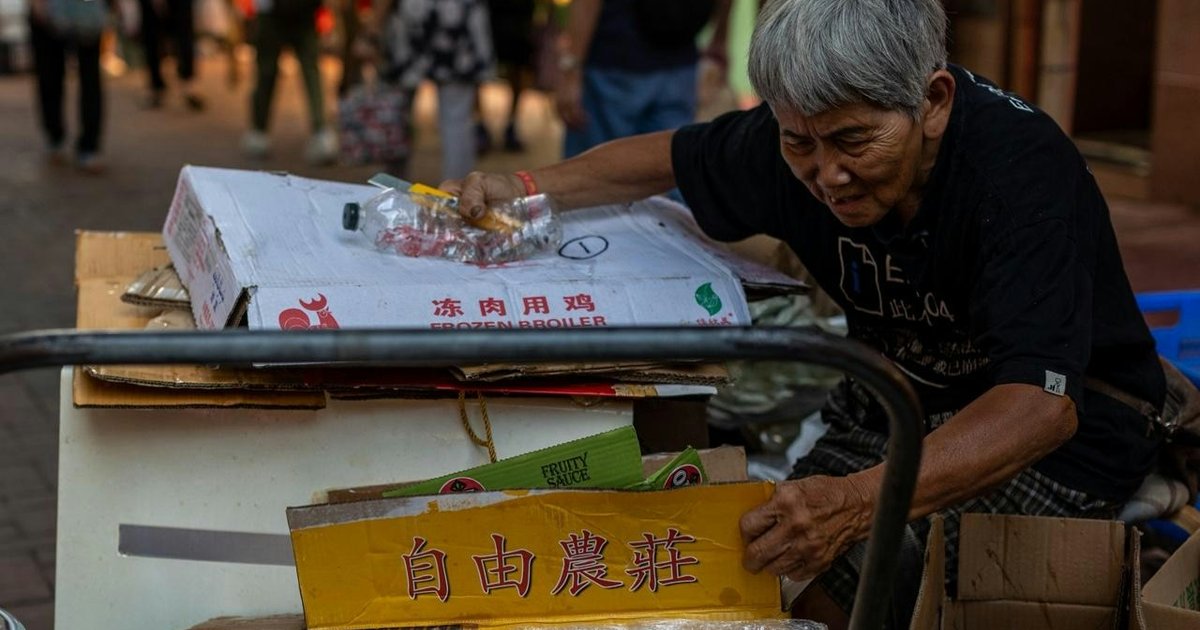
- HK01 observed some corner shops buying cardboard at HK$0.4 per kilogram, while many collectors were still seeing offers of about HK$0.5 to HK$0.6 per kilogram
- Under government rules, recyclers supplying the service contractor are required to buy waste paper from frontline collectors at no less than HK$0.65 per kilogram
- A collector identified as Sister Lan said her income had dropped from more than HK$100 a day to about HK$50 to HK$60 as cardboard prices fell and less material was available
Why It Matters
If upstream baling plants and corner shops continue to lose money, the pressure could further weaken the collection network that many elderly cardboard pickers rely on for income and daily social contact. The government says the sector is in a transition period and expects coordination with the local pulp facility to become smoother, but industry groups are calling for policy easing and renewed subsidies to stabilize prices.