TVB Judge Chow Kwok-fung Mourns Mother, Shares Decade of Dementia Caregiving
SingTao · 1 SOURCES1 day ago2 MIN
Summary
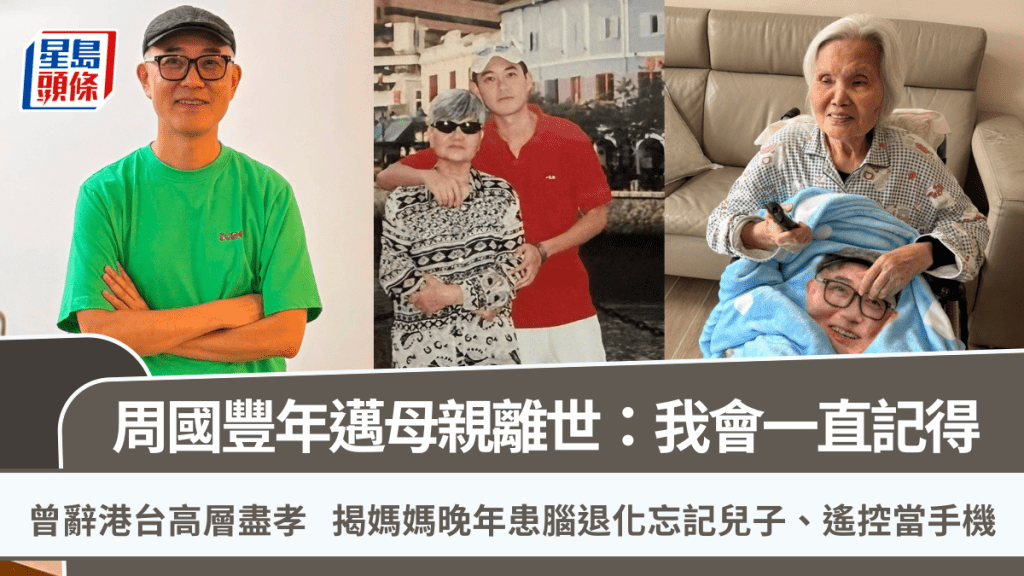
Chow Kwok-fung, widely recognized as a judge on TVB's popular music competition Sing My Life, revealed on October 10, 2026, that his beloved mother had passed away peacefully. The son who once served as a senior executive at RTHK made the profound sacrifice of leaving his career in 2021 to become his mother's primary caregiver after she was diagnosed with dementia. Through articles and published books, Chow chronicled the bittersweet journey of caring for his mother during her final years, capturing moments of confusion, recognition, and unconditional love that resonated deeply with Hong Kong readers.
Key Points
- Chow Kwok-fung shared the news of his mother's passing on social media on October 10, writing: "She left us. I remember. Tonight, the story of Auntie Lin on Lantau reaches its final chapter."
- In 2021, Chow voluntarily stepped down from his leadership role at RTHK, Hong Kong's public broadcaster, to focus full-time on caring for his mother who had developed cognitive impairment.
- Despite employing a foreign domestic helper for daily care, Chow maintained a tradition of visiting his mother every single day, rain or shine, personally overseeing all aspects of her wellbeing.
- His mother frequently confused international news events—such as the Ukraine conflict—with situations happening in Hong Kong, once urgently calling Chow to warn him about "dangerous people beating others on the streets."
- In one particularly moving episode, Chow's mother held a TV remote control, repeatedly pressing what she believed were her son's phone numbers, while on another occasion she looked at Chow directly and asked, "Is little brother not coming today?"
Why It Matters
This deeply personal account illuminates the growing challenge of dementia care facing Hong Kong's rapidly aging population, where over 100,000 elderly residents currently live with cognitive decline. Chow's willingness to share his vulnerability—accepting his role as a son who is "sometimes recognized, sometimes a stranger"—offers genuine comfort to the countless families navigating similar journeys of loss and farewell.
This deeply personal account illuminates the growing challenge of dementia care facing Hong Kong's rapidly aging population, where over 100,000 elderly residents currently live with cognitive decline. Chow's willingness to share his vulnerability—accepting his role as a son who is "sometimes recognized, sometimes a stranger"—offers genuine comfort to the countless families navigating similar journeys of loss and farewell.