Frozen Vegetables Match Fresh in Nutrition and Antioxidant Activity, Study Finds
AM730 · 1 SOURCESabout 2 hours ago2 MIN
Summary
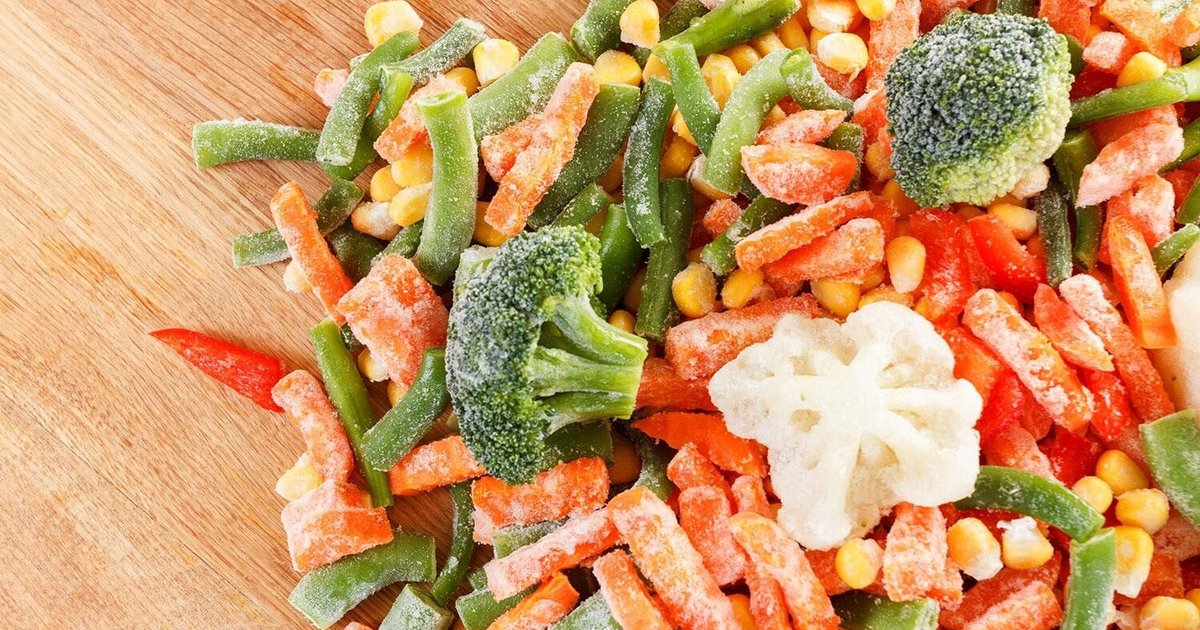
Hong Kong residents traditionally prefer fresh vegetables, but research suggests this habit may not be necessary for optimal nutrition. Studies comparing frozen and fresh varieties of peas, green beans, carrots, and spinach reveal that antioxidant activity and nutrient content are largely comparable between the two categories. Frozen vegetables offer particular advantages during typhoon season when fresh produce spoils quickly, making them a practical backup food option.
Key Points
- Frozen vegetables are typically harvested at peak ripeness and processed immediately, preserving nutritional quality .
- Comparative studies of peas, green beans, carrots, and spinach found similar antioxidant activity and nutrient levels in frozen versus fresh samples .
- Frozen peas contain higher carotenoid levels after cooking than fresh peas because the outer skin provides protective shielding during heating .
- Flash freezing is the optimal method for maintaining nutrients and freshness, producing smaller ice crystals that cause less cellular damage .
- Home freezing of surplus vegetables is possible, but prolonged storage should be avoided to prevent quality degradation .
- For best results, add frozen vegetables only at the end of cooking to maintain texture and minimize nutrient loss .
Why It Matters
For Hong Kong households, frozen vegetables provide a reliable nutrition source during severe weather when fresh produce supply is disrupted. The comparable nutritional value means residents can confidently stock frozen options as a practical emergency food supply without sacrificing dietary quality.
For Hong Kong households, frozen vegetables provide a reliable nutrition source during severe weather when fresh produce supply is disrupted. The comparable nutritional value means residents can confidently stock frozen options as a practical emergency food supply without sacrificing dietary quality.