Hong Kong Faces Record Heat, Urges Comprehensive Climate Resilience Strategy
SCMP · 1 SOURCESabout 2 hours ago2 MIN
Summary
Hong Kong recorded its highest temperature ever at 36.9 degrees Celsius on August 9, the strongest evidence yet that extreme heat is not just an occasional inconvenience but a growing threat requiring comprehensive action . The Labour Department has responded by revamping the Heat Stress at Work Warning system, enabling higher-tier alerts to be issued more readily when the Hong Kong Observatory issues an extremely hot weather special alert or temperatures reach 35 degrees Celsius or above . This change comes after criticism that even when the temperature soared to that record level, only the lowest amber warning was issued under the previous three-tier mechanism established in May 2023 .
Key Points
- The Hong Kong Observatory recorded a temperature of 36.9 degrees Celsius on August 9, the highest since systematic records began in 1884
- The Labour Department upgraded the Heat Stress at Work Warning system to allow red or black alerts when temperatures hit 35 degrees Celsius or above
- Red or black alerts had never been issued since the three-tier mechanism was introduced in May 2023, even during extreme heat events
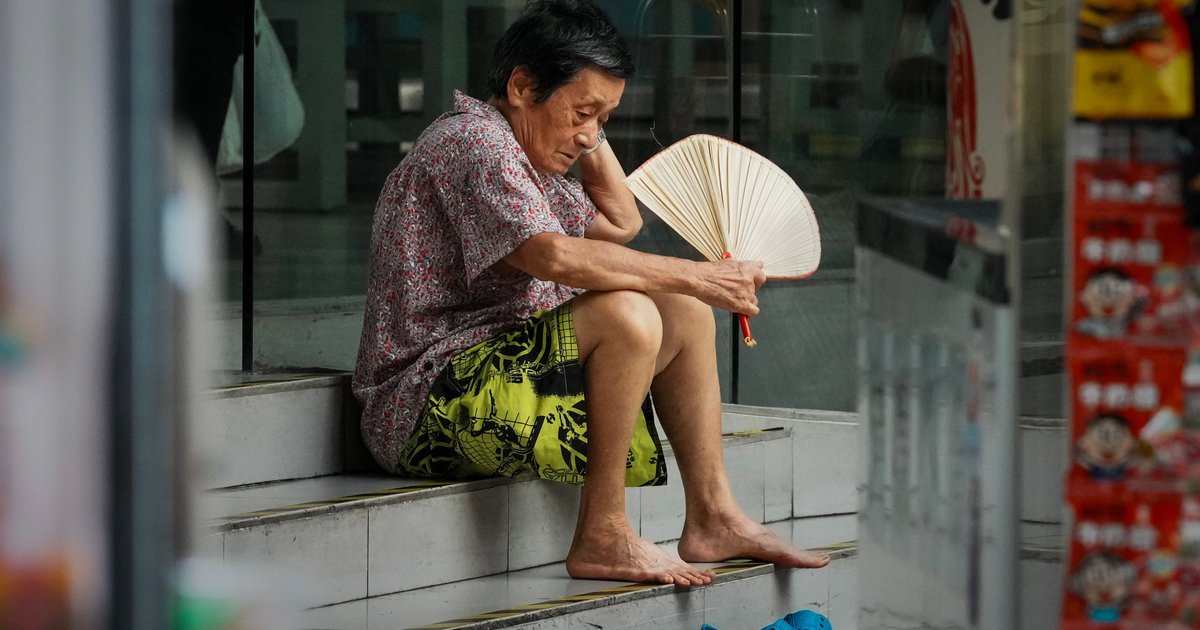
- Vulnerable groups include outdoor workers such as construction workers and street cleaners, as well as older people and low-income households in substandard partitioned flats
- Global temperatures reached unprecedented highs, with some European countries experiencing their hottest summer months on record
Why It Matters
Hong Kong's dense urban environment, ageing population and prevalence of poorly ventilated partitioned flats make the city particularly vulnerable to heat waves, requiring policy solutions that protect the most exposed communities beyond just workplace warnings . The gap between record temperatures and the warning system's response highlights the need for a holistic climate resilience strategy that addresses housing, urban planning and public health infrastructure, not merely temperature-based alerts .
Hong Kong's dense urban environment, ageing population and prevalence of poorly ventilated partitioned flats make the city particularly vulnerable to heat waves, requiring policy solutions that protect the most exposed communities beyond just workplace warnings . The gap between record temperatures and the warning system's response highlights the need for a holistic climate resilience strategy that addresses housing, urban planning and public health infrastructure, not merely temperature-based alerts .