Experts Warn Hong Kong Lacks Heat Action Plan as Vulnerable Residents Face Rising Risks
SCMP · 1 SOURCESabout 2 hours ago2 MIN
Summary
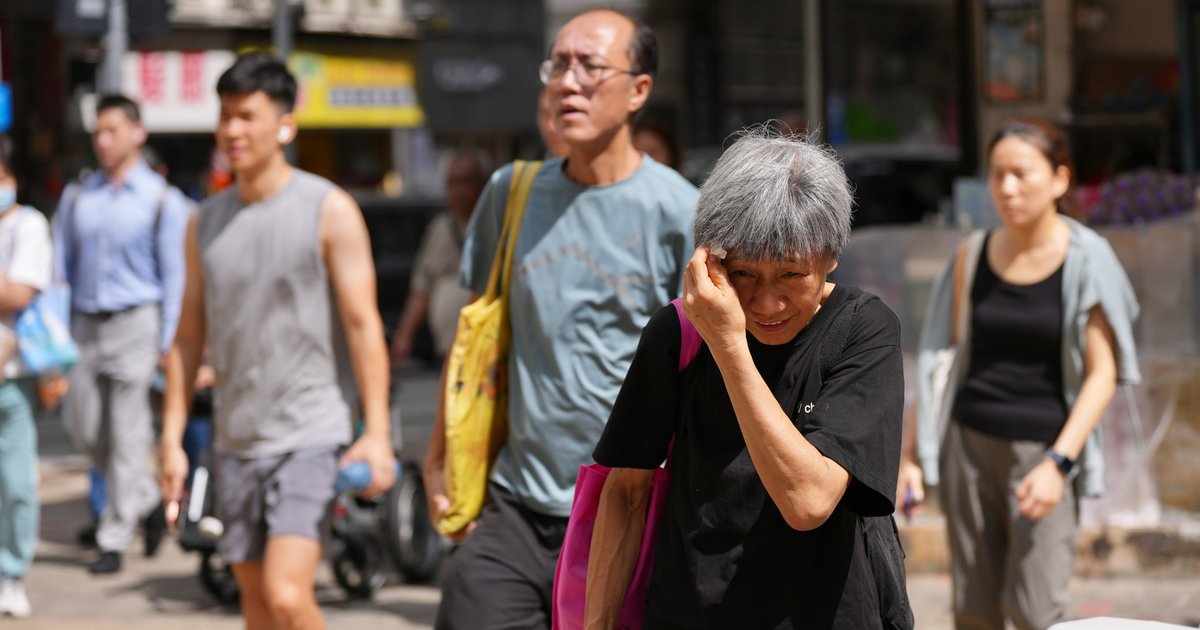
Environmentalists and academics have warned that Hong Kong's failure to include a systemic heat-health action plan in its first five-year blueprint and latest policy address is leaving vulnerable residents exposed to increasing heat risks. New research from the University of Hong Kong has revealed that extreme heat may have contributed to as many as 3,238 excess deaths in the city over the past decade, highlighting the urgent need for coordinated government action . The Chief Executive John Lee Ka-chiu delivered both documents in September without addressing the gap in heat-health preparedness. A government spokesman pointed to ongoing efforts to improve response capabilities, while environmentalists argue that without high-level political commitment, the city cannot adequately protect those most at risk .
Key Points
- The HKU study, currently under peer review, estimates extreme heat contributed to up to 3,238 excess deaths in Hong Kong over the past ten years .
- Neither the five-year blueprint nor the annual policy address included a comprehensive heat-health action plan for vulnerable groups .
- A "city brain" management system was proposed in the policy address to improve interdepartmental collaboration during extreme weather .
- Greenpeace survey found 80 percent of low-income elderly respondents experienced physical or mental distress during extreme heat .
- Hong Kong recorded its hottest single day on August 9 since records began in 1884, underscoring the growing threat .
Why It Matters
The absence of a coordinated heat-health action plan leaves Hong Kong's aging population and low-income residents particularly exposed as temperatures rise. Without structured early-warning systems, surveillance, and outreach mechanisms, the city risks continued preventable deaths during heatwaves. The contrast between government assurances of improved response capabilities and the lack of concrete policy commitments suggests a gap between rhetoric and action on public health protection .
The absence of a coordinated heat-health action plan leaves Hong Kong's aging population and low-income residents particularly exposed as temperatures rise. Without structured early-warning systems, surveillance, and outreach mechanisms, the city risks continued preventable deaths during heatwaves. The contrast between government assurances of improved response capabilities and the lack of concrete policy commitments suggests a gap between rhetoric and action on public health protection .