CUHK Develops Ginkgo-Based Molecule BB56 to Treat Stroke and Alzheimer's
SingTao · 2 SOURCESabout 3 hours ago5 MIN
Summary
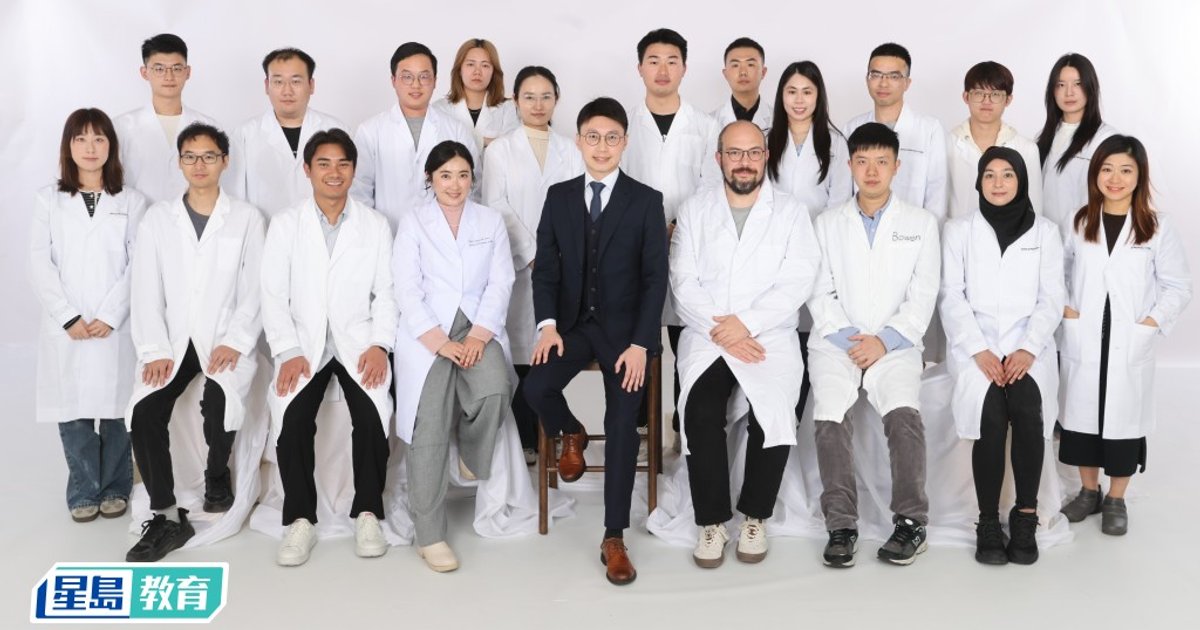
CUHK Medical Faculty researchers have successfully developed an artificial drug molecule named BB56 by applying molecular editing technology to a natural compound found in ginkgo. The molecule demonstrates strong anti-inflammatory properties in the brain and has the potential to become a lead compound for developing new drugs to treat neurological diseases including stroke and Alzheimer's. The research team, led by Associate Professor Ng Wai-lung (吳濰龍) from CUHK's School of Pharmacy, has filed international patent applications in China, the US, and the World Intellectual Property Organization .
Key Points
- Over 3 billion people worldwide, approximately 40% of the global population, are affected by neurological diseases that can lead to stroke and cognitive decline
- The CUHK team used molecular editing to modify bilobalide, a complex natural compound in ginkgo leaves and fruits, creating the more stable BB56 molecule
- BB56 was enhanced by strategically adding fluorine to its molecular structure, significantly boosting its cellular anti-inflammatory potency compared to its precursor BB10
- The molecule binds to prolyl endopeptidase (PREP), blocking the inflammation cycle and calming overactive microglia immune cells in the brain
- Testing was conducted on artificially cultivated human microglia and zebrafish larvae with induced brain inflammation to validate BB56's neuroprotective effects
Why It Matters
The research provides a novel approach to developing drugs for debilitating neurological conditions that affect hundreds of millions globally. As Hong Kong's population ages, the prevalence of stroke and Alzheimer's is expected to rise, making locally-developed therapeutic options increasingly valuable for public health .
The research provides a novel approach to developing drugs for debilitating neurological conditions that affect hundreds of millions globally. As Hong Kong's population ages, the prevalence of stroke and Alzheimer's is expected to rise, making locally-developed therapeutic options increasingly valuable for public health .