Wah Yui Git Rice Balls Pass Third-Party Test After Sticky Texture Complaint
HK01 · 2 SOURCESabout 4 hours ago2 MIN
Summary
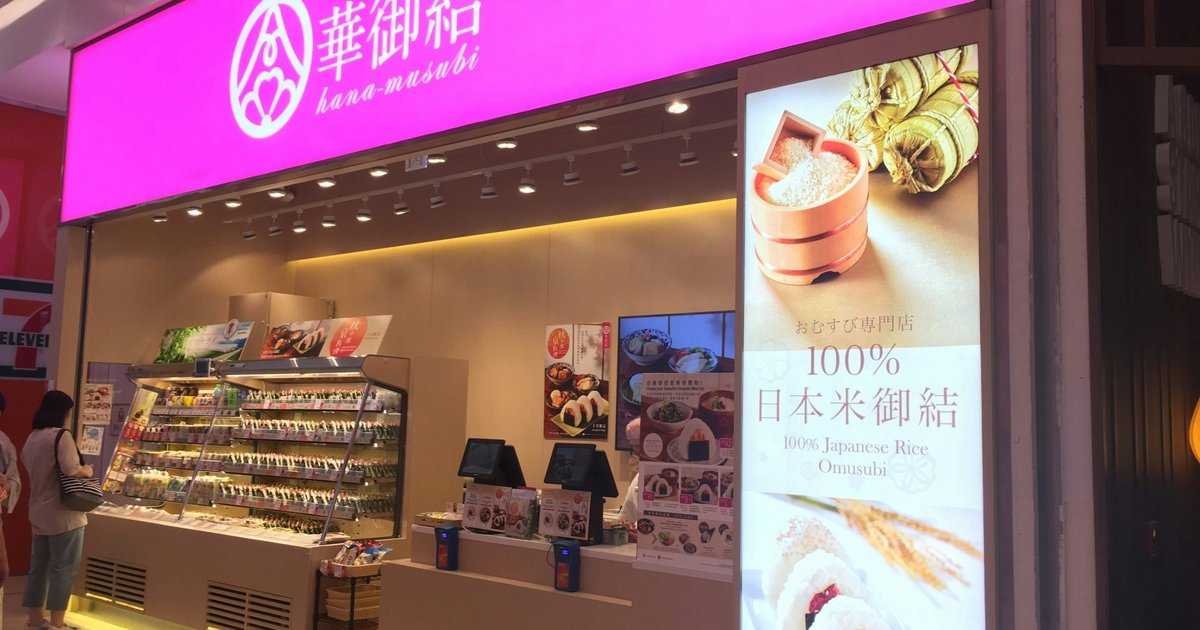
Wah Yui Git, a popular rice ball chain in Hong Kong, has responded to customer concerns after a social media post showed sticky threads between rice grains in a product purchased at the MTR Exhibition Centre Station branch. The Food and Environmental Hygiene Department conducted an inspection and found no obvious hygiene issues, while third-party laboratory tests confirmed all samples complied with food safety standards for Bacillus cereus .
Key Points
- A female customer posted on Threads on Monday morning, stating she bought a rice ball from Wah Yui Git at Exhibition Centre Station and noticed a stringing effect between rice grains just one minute after purchase .
- She reported the issue to the Food and Environmental Hygiene Department, which inspected the outlet that same day and found no obvious food or environmental hygiene problems .
- Wah Yui Git arranged additional third-party testing of samples from both its central food factory and the Exhibition Centre branch, with results confirming Bacillus cereus levels met the Centre for Food Safety's satisfactory standards .
- The company explained that it uses premium fresh Japanese rice from Hokkaido, which naturally produces stickiness when cooked due to starch on the rice surface .
- The customer later stated that seven hours after eating the rice ball, she experienced no discomfort .
Why It Matters
This incident highlights how social media can quickly amplify food safety concerns, making it essential for food businesses to maintain transparent communication with customers. The case also demonstrates Hong Kong's robust food safety monitoring system, where both regulatory inspections and independent testing can promptly verify product safety and restore consumer confidence .
This incident highlights how social media can quickly amplify food safety concerns, making it essential for food businesses to maintain transparent communication with customers. The case also demonstrates Hong Kong's robust food safety monitoring system, where both regulatory inspections and independent testing can promptly verify product safety and restore consumer confidence .