Hong Kong Construction Workers Battle Extreme Heat with DIY Cooling Solutions as Record Temperatures Spark Safety Debate
SingTao · 1 SOURCESabout 1 hour ago2 MIN
Summary
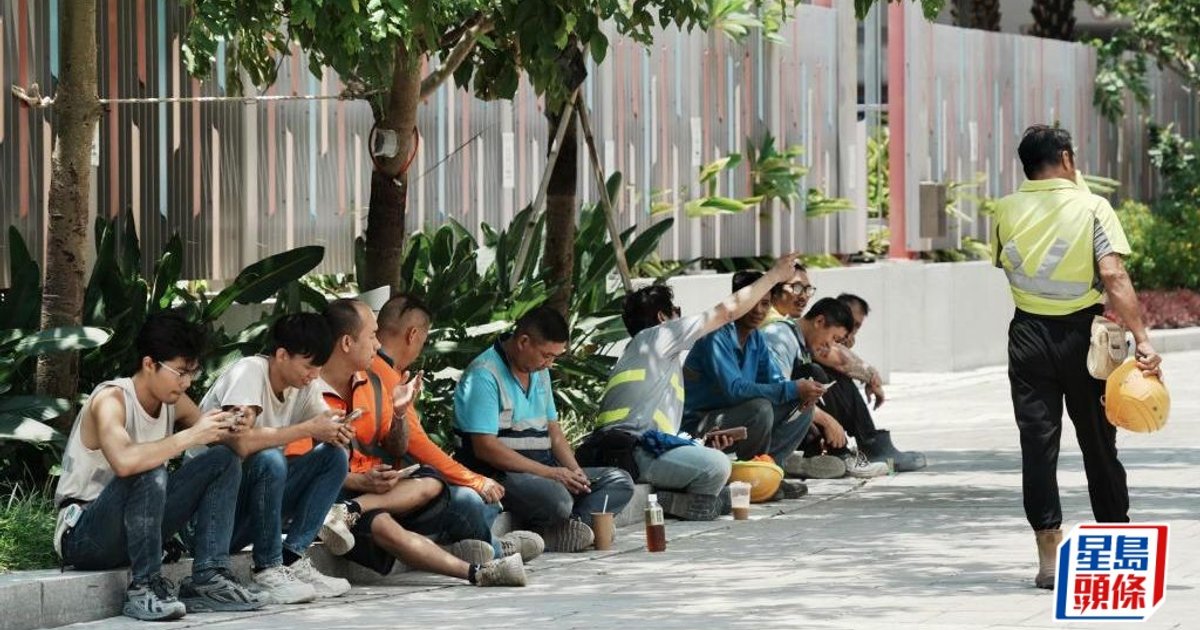
Hong Kong experienced record-breaking extreme heat this month, with the Observatory recording its highest-ever temperature of 36.9 degrees Celsius on July 9. Construction sites in exposed areas registered up to 54 degrees Celsius, sparking widespread concern about worker safety under the current Work Heat Stress Warning system. While the Labour Department issued only the lowest-level yellow warning during the peak heat, frontline construction workers have been forced to develop their own coping strategies, including freezing water bottles into ice bricks, wearing cooling neck collars, and purchasing battery-powered fan vests at their own expense. Labour unions and occupational health experts are calling for legally binding legislation to replace the non-mandatory guidelines, with the government facing pressure to optimise the warning mechanism by month's end.
Key Points
- The Hong Kong Observatory recorded a historic high of 36.9°C on July 9, with multiple locations exceeding 37°C, yet only a yellow warning was issued
- A construction site in Discovery Bay on Lantau Island registered 54°C at rooftop level at 8am, with heat intensified by reflective steel plates and rebar
- Workers like "Brother Quan" resort to self-made ice bricks, frozen cooling neck collars, and self-purchased fan vests priced from HK$400
- The three-tier warning system (yellow/red/black) was introduced in May 2023 with non-mandatory prevention guidelines, drawing criticism from labour groups
- Nine additional monitoring stations were added in April 2024, though experts say 10 stations remain insufficient to cover all worker populations
- Stakeholders propose drone-based cooling spray, remote-controlled machinery, buddy systems, and flexible work scheduling to avoid peak noon hours
Why It Matters
With climate change making extreme heat a recurring reality, Hong Kong's 340,000 construction workers face genuine occupational health risks under a warning system that currently lacks legal teeth. The pressure on authorities to either strengthen the existing framework or enact binding legislation will shape how effectively the city protects its most vulnerable workers during increasingly frequent heatwaves .
With climate change making extreme heat a recurring reality, Hong Kong's 340,000 construction workers face genuine occupational health risks under a warning system that currently lacks legal teeth. The pressure on authorities to either strengthen the existing framework or enact binding legislation will shape how effectively the city protects its most vulnerable workers during increasingly frequent heatwaves .