Banned Japanese Painkillers Still Sold Online Despite Prescription Status
HK01 · 1 SOURCESabout 20 hours ago2 MIN
Summary
Despite Hong Kong health authorities banning the sale of certain Japanese cold medicines containing prescription-only poisons, daigou purchasing websites continue to offer these products. Sellers evade questions about legal consequences when confronted by investigators .
Key Points
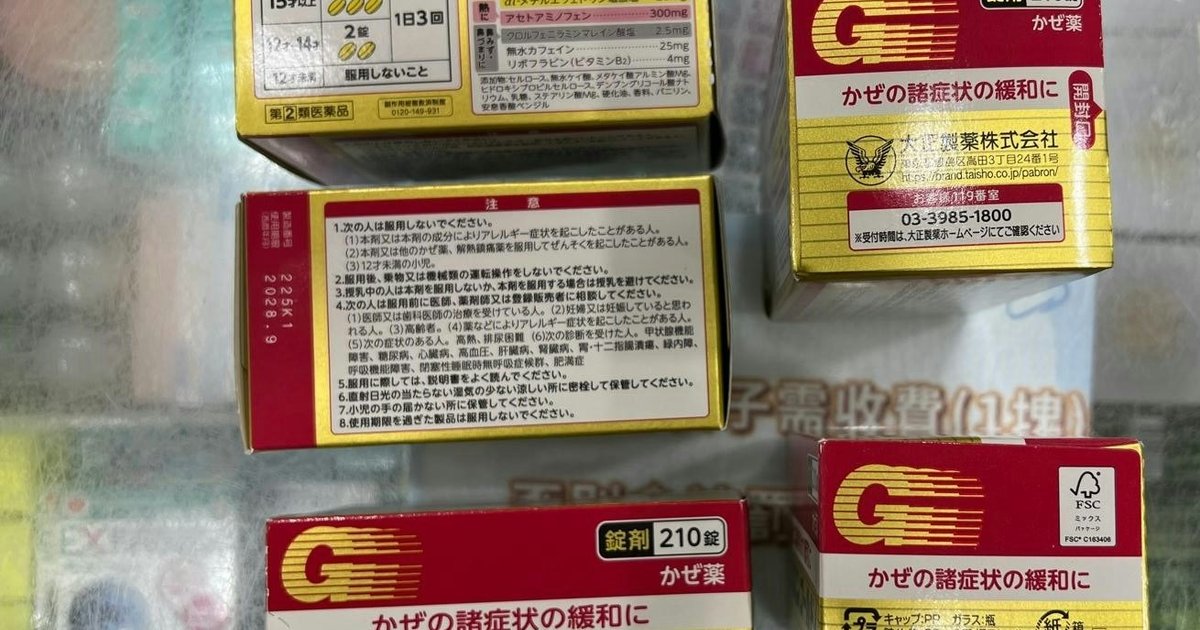
- The banned products are Taisho Pharmaceutical "G" brand cold medicines, available in 44-pill and 210-pill packages on at least one daigou website .
- The medicines contain ibuprofen and dihydrocodeine, both classified as Part 1 poisons under Hong Kong's Pharmacy and Poisons Ordinance .
- Ibuprofen side effects include nausea, gastrointestinal discomfort, and stomach ulcers; dihydrocodeine side effects include nausea, vomiting, constipation, and drowsiness .
- Part 1 poisons must be sold under registered pharmacist supervision at pharmacies or used under doctor's direction only .
- Sellers ship products via courier companies after online payment, and when asked about legal risks, replied only that they "mainly operate as purchasing agents" without direct response .
- All pharmaceutical products must be registered with Hong Kong's Pharmacy and Poisons Board before legal sale, displaying registration numbers in "HK-XXXXX" format .
- Illegal sale or possession of unregistered pharmaceutical products or Part 1 poisons carries maximum penalties of HK$100,000 fine and two years imprisonment per offense .
Why It Matters
The continued availability of banned prescription medicines through online purchasing channels highlights enforcement gaps in digital pharmaceutical sales, while the Health Bureau's warning about unregistered drugs' unverified safety, quality, and efficacy underscores significant public health risks for consumers seeking convenient access to foreign medications .
The continued availability of banned prescription medicines through online purchasing channels highlights enforcement gaps in digital pharmaceutical sales, while the Health Bureau's warning about unregistered drugs' unverified safety, quality, and efficacy underscores significant public health risks for consumers seeking convenient access to foreign medications .