China Orders Artists to Withdraw from Gwangju Biennale Over Taiwan Pavilion Name
On.cc · 2 SOURCESabout 3 hours ago2 MIN
Summary
The Gwangju Biennale, South Korea's premier international art exhibition scheduled to open on September 5, has become the center of a diplomatic controversy between China and South Korea. Initially, organizers changed the Taiwan Pavilion name to NTMOFA (National Taiwan Museum of Fine Arts), prompting protests from Taiwan and support from the Korean art community, leading to restoration of the original name. China subsequently responded by ordering its participating artists and staff to withdraw from the exhibition starting Friday.
Key Points
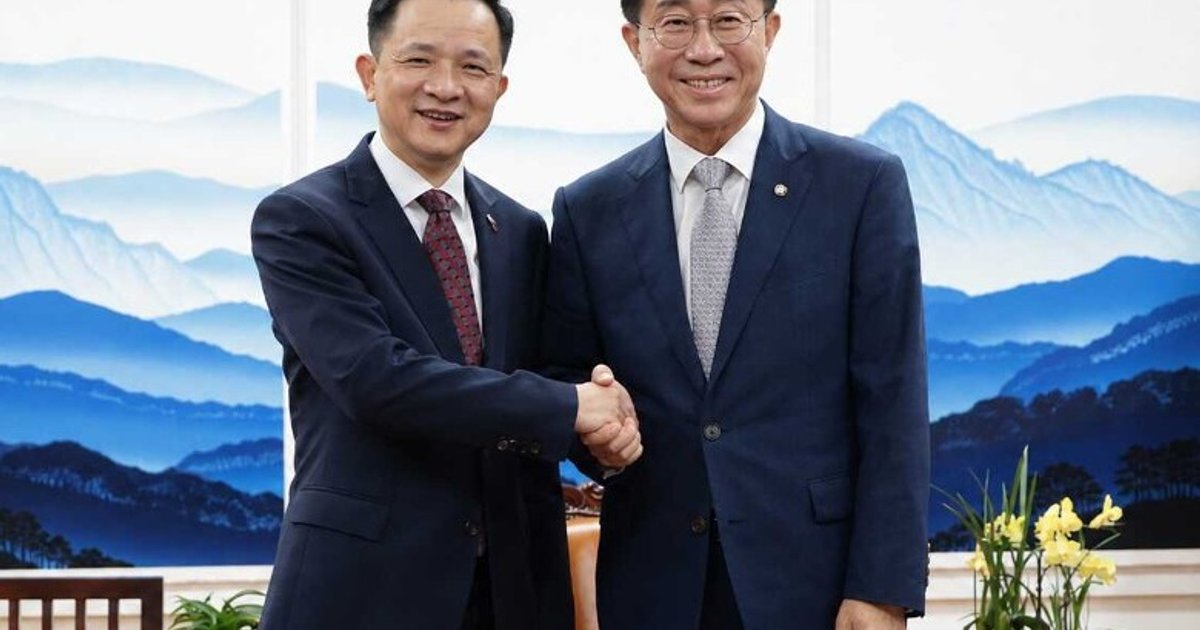
- Chinese Ambassador to South Korea Dai Bing visited Gwangju on Thursday accompanied by Consul General Gu Jingqi to meet Mayor Min Jong-pyo
- The ambassador expressed regret and concern over the organizers' decision to approve the Taiwan Pavilion name following Taiwanese protests and Korean art community support
- China ordered all Chinese artists and staff scheduled to participate in the Biennale to withdraw starting Friday, February 28
- Mayor Min Jong-pyo responded that political judgments should not influence the artistic field, defending the organizers' decision
- The Chinese embassy published a press release about the meeting but notably omitted any mention of the Gwangju Biennale controversy
Why It Matters
This incident underscores how geopolitical sensitivities increasingly intersect with cultural and artistic exchanges globally. The Gwangju Biennale's handling of the Taiwan Pavilion naming dispute sets a precedent for how international art institutions navigate cross-strait tensions, potentially influencing similar diplomatic flashpoints at other global cultural events .
This incident underscores how geopolitical sensitivities increasingly intersect with cultural and artistic exchanges globally. The Gwangju Biennale's handling of the Taiwan Pavilion naming dispute sets a precedent for how international art institutions navigate cross-strait tensions, potentially influencing similar diplomatic flashpoints at other global cultural events .