PolyU riot convict loses appeal, gets three weeks added
HK01 · 1 SOURCESabout 2 hours ago2 MIN
Summary
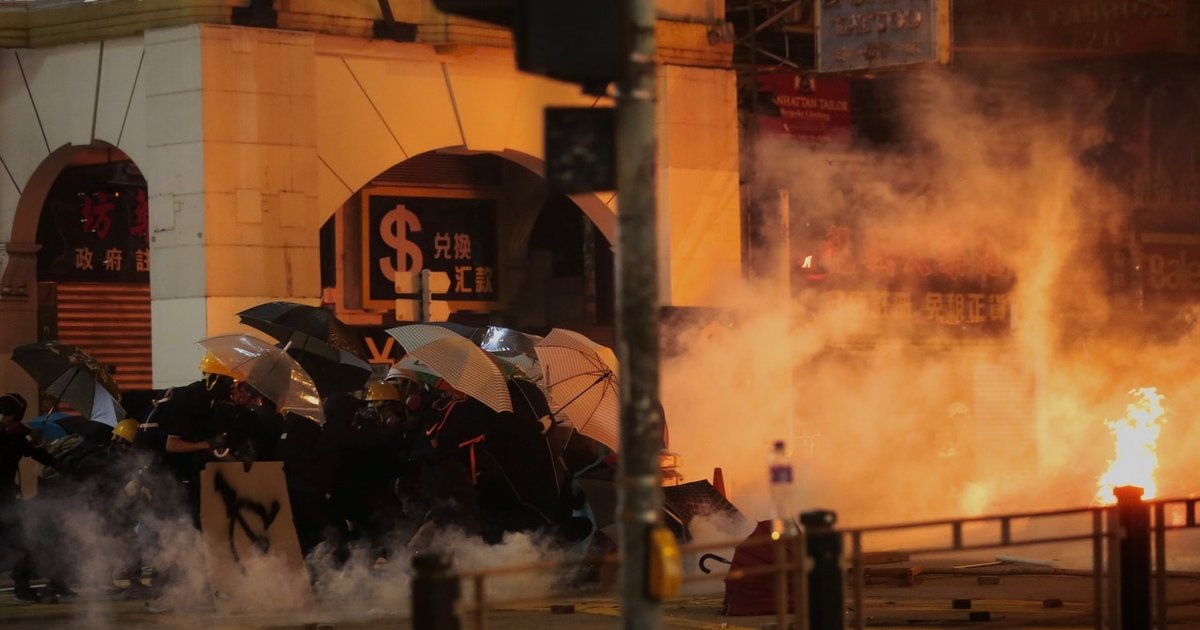
A Nepalese appellant convicted of rioting during the 2019 unrest near the junction of Nathan Road and Waterloo Road in Yau Ma Tei has had his renewed appeal dismissed by the Court of Appeal . The appellant, PUN DHAN BAHADUR, was convicted of taking part in a riot on 18 November 2019 and had argued that he was merely at the scene out of curiosity and was not politically engaged . The appellate judges said the trial judge was entitled to reject his account and infer that he had deliberately gone to the riot scene with intent to participate, and they found the five-year sentence was not manifestly excessive . The court also made a loss-of-time order, ruling that three weeks of his time in custody pending appeal would not be counted toward his sentence because the renewed application repeated grounds already rejected earlier .
Key Points
- The case was heard by appellate judges Pang Wai-cheung, Yeung Ka-hung and Chan Hing-wai, and the appellant was not legally represented at the hearing .
- PUN DHAN BAHADUR, a Nepalese national aged 34 at the time, was convicted of rioting on 18 November 2019 near Nathan Road and Waterloo Road .
- He told the court he did not understand Chinese, said his written submissions were drafted in Chinese by a fellow inmate, and maintained his Chinese and English were both weak .
- He argued he had lived in Hong Kong for more than 10 years, worked locally, had an Indonesian girlfriend, wore slippers that day, and was only present out of curiosity .
- Prosecutors said he had earlier testified he knew MTR stations were closed because of the clashes, undermining his claim that he did not know about the 2019 social unrest .
Why It Matters
The ruling shows the Court of Appeal is prepared not only to dismiss repeat applications based on previously rejected arguments, but also to impose a loss-of-time order when it considers the process has been wasted . For Hong Kong readers, the case also underlines how appellate courts assess credibility, movement routes and surrounding circumstances when deciding whether a defendant was an onlooker or an active participant in riot cases .