61 Giant Panda Fossils Found in Asia's Longest Cave System in Guizhou
SingTao · 2 SOURCESabout 4 hours ago5 MIN
Summary
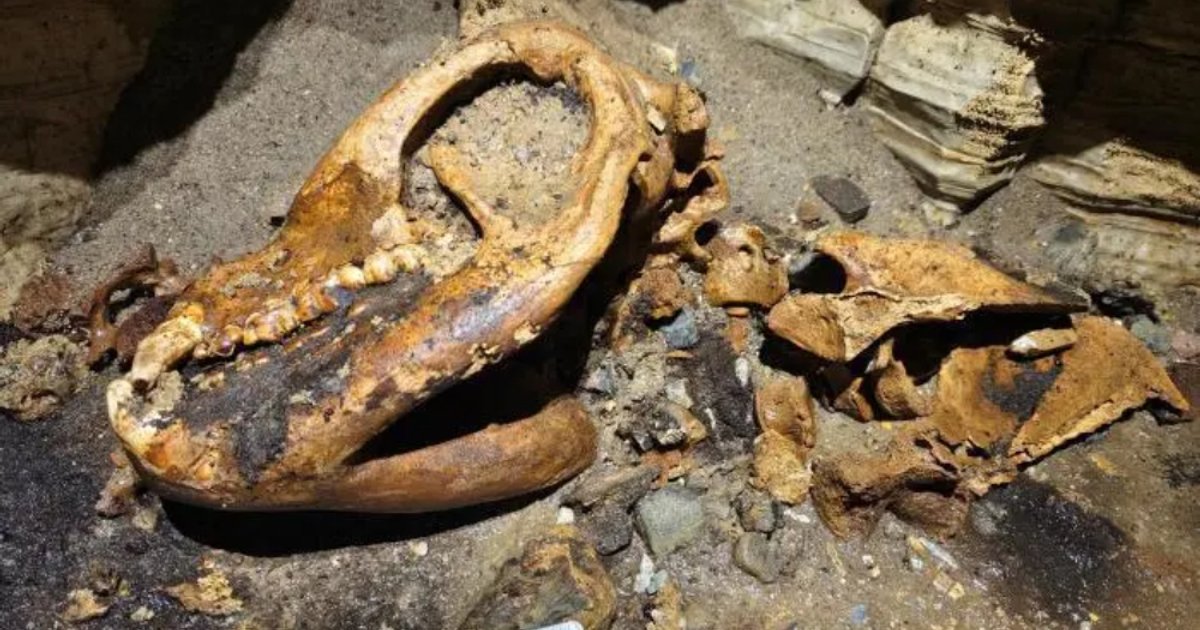
The 25th International Cave Science Expedition has unveiled groundbreaking discoveries at the Shuanghe Cave system in Suiyang County, Guizhou Province, which has extended its total length to 481.5 kilometers, solidifying its position as the world's third-longest and Asia's longest cave system . The expedition identified nine new giant panda fossils, increasing the total count of panda individuals found within the cave to 61 . Researcher Wang Deyuan (王德遠) reconstructed the tragic fate of these pandas, explaining that upon entering the karst cave, they traveled over ten meters before encountering a vertical shaft, falling in but surviving initially . The animals continued forward, leaving claw marks on the walls, before falling into a deeper shaft from which they could not escape .
Key Points
- Shuanghe Cave now spans 481.5 kilometers with a vertical depth of 912 meters, connected by 124 cave entrances
- The cave system grew by 41.8 kilometers since the previous expedition, maintaining its rank as Asia's longest cave
- A total of 61 giant panda fossil individuals have been discovered, with the latest nine specimens primarily found in newly explored passages
- Uranium-lead isotope dating was applied for the first time, determining that the cave's carbonate sediments date back approximately 5.1 million years
- The expedition also uncovered a complete juvenile giant tapir skeleton and clouded leopard remains, marking the most complete specimens of their kind in China
- Additional discoveries include fossils of goral, rhino, and stegodon (a prehistoric elephant relative)
Why It Matters
These findings provide invaluable scientific data for understanding ancient biodiversity patterns in southwestern China and how large mammals interacted with karst cave environments over geological timescales . The discovery of claw marks documenting pandas' final hours offers rare behavioral insights into how these animals met their end, contributing to paleontological knowledge of species that once roamed the region .
These findings provide invaluable scientific data for understanding ancient biodiversity patterns in southwestern China and how large mammals interacted with karst cave environments over geological timescales . The discovery of claw marks documenting pandas' final hours offers rare behavioral insights into how these animals met their end, contributing to paleontological knowledge of species that once roamed the region .