Iran Pledges Reciprocity if US Returns to June Ceasefire Deal
Apnews · 2 SOURCESabout 3 hours ago2 MIN
Summary
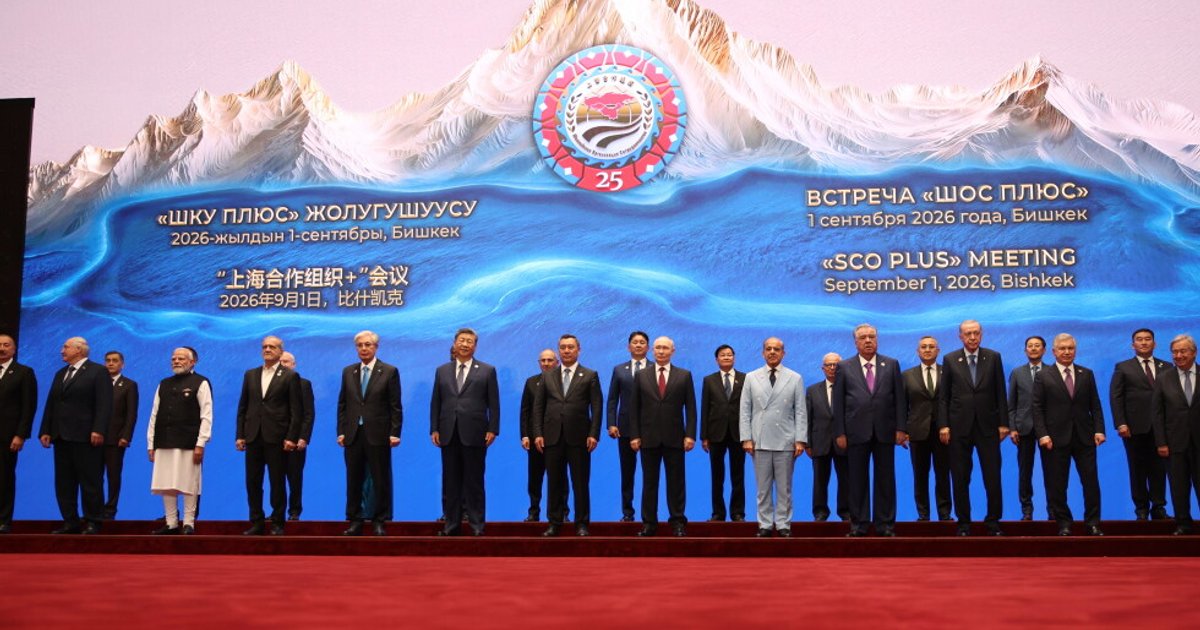
Iranian President Masoud Pezeshkian declared on Tuesday that Iran will immediately reciprocate if the United States returns to its commitments under a June memorandum of understanding, marking a potential path to de-escalation following the first direct exchange of fire between the two countries in a month. The conciliatory remarks came during the Shanghai Cooperation Organization summit in Bishkek, Kyrgyzstan, where Pezeshkian emphasized that war served no one's interest while signaling Tehran's continued openness to negotiation.
Key Points
- Iranian President Masoud Pezeshkian stated at the SCO summit in Bishkek, Kyrgyzstan, that Iran would immediately reciprocate if the US returns to its commitments under the June memorandum of understanding
- The first direct attack exchange since late July occurred at the weekend, with the US striking Larak Island and Iran launching attacks on two US air bases in Jordan
- The June agreement called for an immediate ceasefire with a 60-day negotiation period, with Iran agreeing to clear the Strait of Hormuz of mines and allow ships passage while the US agreed to end its naval blockade, lift sanctions, and issue waivers for Iranian oil exports
- Iran has been working with Oman on a framework for managing shipping traffic through the Strait of Hormuz, a vital waterway for global oil supplies
- Saudi Crown Prince Mohammed bin Salman met with Oman's Sultan Haitham bin Tariq on Tuesday to discuss "ongoing efforts to maintain regional security and stability"
Why It Matters
The exchange of conciliatory statements following direct military confrontations signals a potential opening for diplomacy after the ceasefire framework collapsed. The Strait of Hormuz, through which roughly one-fifth of the world's oil passes, remains a critical flashpoint, and any renewed agreement would have significant implications for global energy markets and regional stability .
The exchange of conciliatory statements following direct military confrontations signals a potential opening for diplomacy after the ceasefire framework collapsed. The Strait of Hormuz, through which roughly one-fifth of the world's oil passes, remains a critical flashpoint, and any renewed agreement would have significant implications for global energy markets and regional stability .