Unmanned eVTOL Aircraft Completes Historic Maiden Flight in Hong Kong
SCMP · 1 SOURCES1 day ago2 MIN
Summary
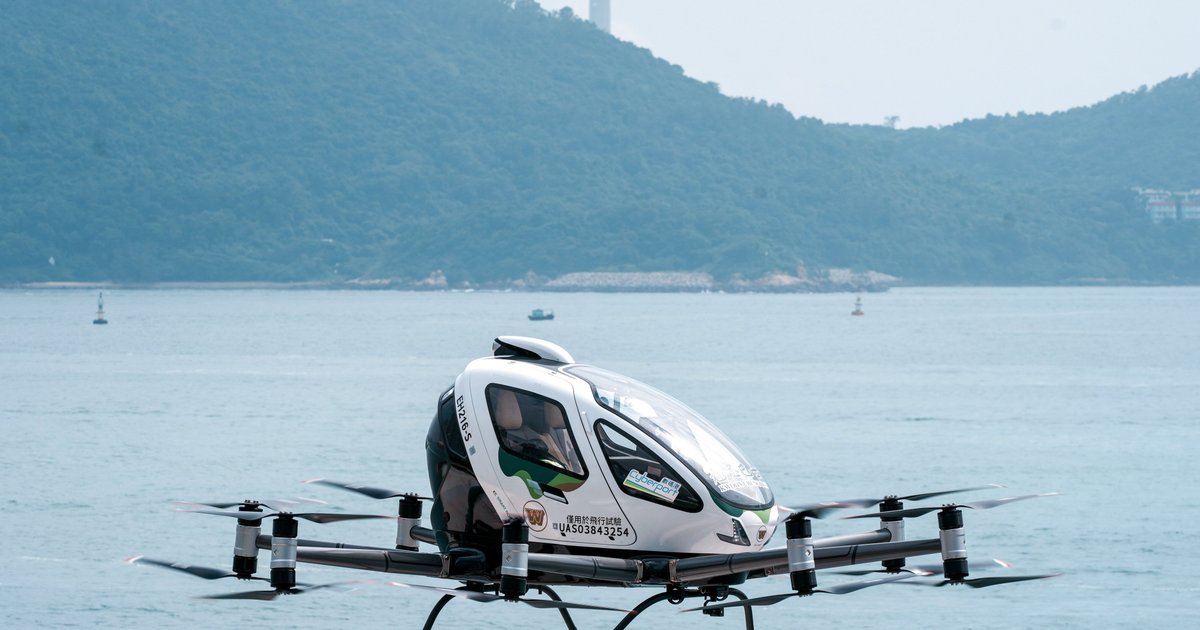
An unmanned electric vertical take-off and landing (eVTOL) aircraft completed its maiden demonstration flight in Hong Kong on Friday, 14 March 2025, at Cyberport in Pok Fu Lam. The historic flight, conducted by mainland Chinese autonomous aerial vehicle firm EHang in partnership with local transport operator Kwoon Chung Bus Holdings and technology hub Cyberport, marks a pivotal step in Hong Kong's push to develop a low-altitude economy. The government aims to complete drafting relevant civil aviation legislation for non-traditional aircraft by 2027.
Key Points
- The demonstration flight featured EHang's flagship EH216-S model, which carried a robot and conducted multiple sorties along predetermined routes
- Kwoon Chung Bus Holdings earlier revealed plans to purchase 30 eVTOLs from EHang for over HK$70 million (US$9 million) for passenger and logistics services
- Public demonstrations will continue at Cyberport until Sunday, allowing residents to witness the emerging technology firsthand
- Secretary for Transport and Logistics Mable Chan emphasised Hong Kong's common law system and civil aviation standards are fully aligned with international requirements
- The flights are taking place within the city's 'Regulatory Sandbox X' to collect data for future legislation drafting
Why It Matters
The successful demonstration positions Hong Kong to become a regional leader in urban air mobility, with the regulatory sandbox approach allowing mainland low-altitude enterprises to generate data and regulatory experience applicable worldwide . This development could enable commercial passenger transport and Greater Bay Area air corridor connections by the end of the decade.
The successful demonstration positions Hong Kong to become a regional leader in urban air mobility, with the regulatory sandbox approach allowing mainland low-altitude enterprises to generate data and regulatory experience applicable worldwide . This development could enable commercial passenger transport and Greater Bay Area air corridor connections by the end of the decade.